Introduction
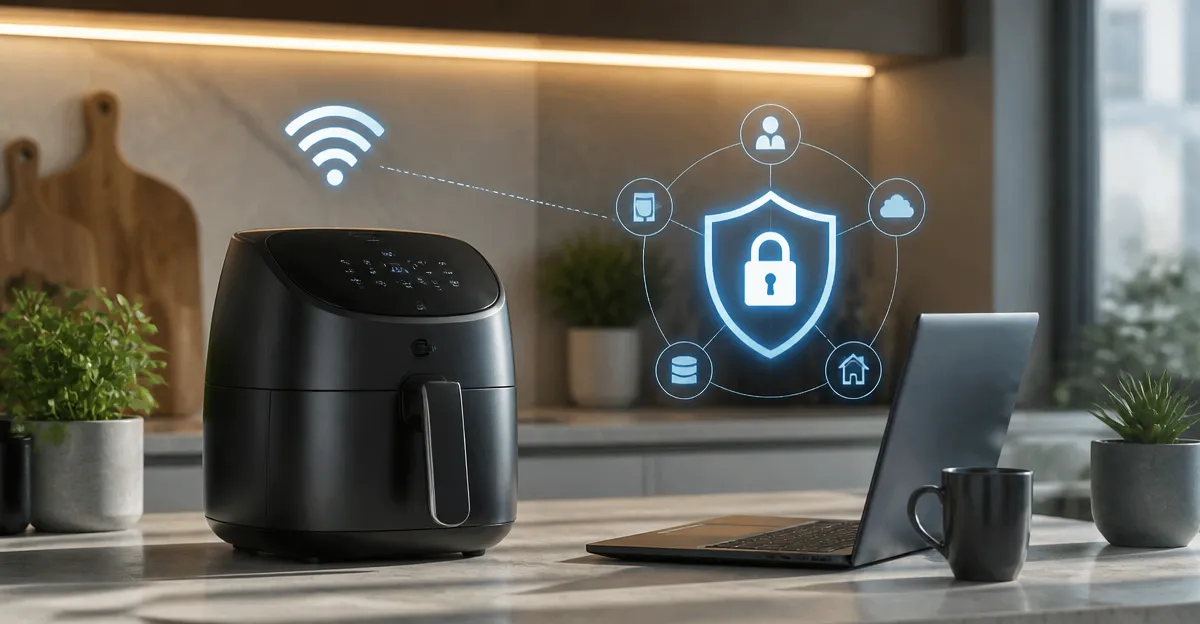
Modern kitchens increasingly rely on connected appliances, and the Wi‑Fi mini air fryer exemplifies this trend. This guide explains the types of data that such devices collect, the potential privacy risks, and the measures that users can take to safeguard their information. Readers will learn foundational concepts, evaluate a recommended product, and receive actionable best‑practice advice. By the end of the article, one will be equipped to enjoy the convenience of a smart air fryer without compromising personal privacy.
Background and Context
Wi‑Fi mini air fryers combine traditional cooking technology with wireless connectivity, allowing remote control via smartphone applications. The underlying hardware typically includes a microcontroller, Wi‑Fi module, and a cloud‑based service that processes user commands and telemetry. Data transmitted may include usage patterns, temperature settings, and, in some cases, location information derived from the network. Understanding these components is essential for assessing the privacy implications of a connected kitchen device.
Many manufacturers design their apps to store user preferences in the cloud, enabling features such as recipe synchronization and firmware updates. While these services enhance usability, they also create entry points for unauthorized access if not properly secured. Users should therefore approach smart kitchen devices with the same diligence applied to smartphones and computers.
Data Collection Mechanisms
Connected air fryers gather several categories of data. First, operational data such as cooking duration, temperature, and mode are logged to optimise performance and provide usage statistics to the manufacturer. Second, device identifiers—including MAC addresses and serial numbers—are transmitted to authenticate the appliance with cloud services. Third, some applications request optional user information, such as email addresses, to enable account‑based features.
These data points are typically encrypted in transit using TLS, yet the storage practices on the server side vary among manufacturers. When data is retained without clear retention policies, it may be vulnerable to breaches or misuse. Users should review the privacy policy of the appliance maker to understand how long data is stored and for what purposes.
Network Vulnerabilities
Any Wi‑Fi enabled device introduces potential attack vectors to a home network. An insecure air fryer may expose open ports, outdated firmware, or weak default credentials, allowing malicious actors to infiltrate the local network. Once inside, an attacker could intercept traffic, harvest credentials, or pivot to other devices such as computers and smart locks.
To mitigate these risks, users should ensure that the air fryer operates on a separate guest network or VLAN, isolating it from critical devices. Additionally, enabling WPA3 encryption on the router and regularly updating the appliance firmware are essential defensive measures.
Secure Configuration Recommendations
Before connecting a Wi‑Fi mini air fryer, one should change any default passwords associated with the device or its companion app. If the manufacturer permits, disabling unnecessary cloud sync features reduces the amount of data transmitted outside the local network. Configuring the router to assign a static IP address to the appliance simplifies monitoring and logging of network activity.
Enabling two‑factor authentication (2FA) on the associated user account adds an extra layer of protection against credential theft. Users should also review the app permissions on their mobile device, revoking access to location or contacts if those permissions are not required for core functionality.
Recommended Product Integration
Among the available options, the Instant Pot Vortex Plus offers a robust set of features while maintaining a user‑friendly interface. This 6‑quart appliance provides six cooking functions, including air fry, bake, roast, broil, dehydrate, and reheat, allowing families to consolidate multiple kitchen tools into a single device.
The Vortex Plus incorporates an intuitive touchscreen that displays each cooking stage, reducing the need for constant manual adjustments. Its stainless‑steel finish adds a sophisticated aesthetic to the countertop, while the dishwasher‑safe basket simplifies cleanup. With a rating of 4.6 out of 5 stars based on 42,248 reviews, the product demonstrates strong consumer confidence.
From a privacy perspective, the appliance connects to the Instant Pot cloud service, which employs industry‑standard encryption for data in transit. Users can manage their account settings through the Instant Pot app, opting out of optional data sharing where possible. The device’s firmware receives regular updates, addressing security vulnerabilities as they are discovered.
Comparison and Selection Guide
When evaluating Wi‑Fi mini air fryers, consider the following criteria: data handling transparency, frequency of firmware updates, network isolation capabilities, and the availability of a robust mobile application. Table 1 summarises how the Instant Pot Vortex Plus compares with two generic competitors.
| Feature | Instant Pot Vortex Plus | Generic Brand A | Generic Brand B |
|---|---|---|---|
| Cooking Functions | 6 (air fry, bake, roast, broil, dehydrate, reheat) | 4 (air fry, bake, roast, reheat) | 5 (air fry, bake, roast, broil, dehydrate) |
| App Encryption | TLS 1.2+ | TLS 1.0 (older) | TLS 1.2 |
| Firmware Updates | Automatic, monthly | Manual, infrequent | Automatic, quarterly |
| User Rating | 4.6/5 (42,248 reviews) | 3.9/5 (1,842 reviews) | 4.2/5 (3,210 reviews) |
Based on the comparison, the Instant Pot Vortex Plus stands out for its comprehensive feature set, frequent security updates, and strong consumer approval. Users prioritising privacy should select a model that offers transparent data policies and regular firmware maintenance.
Best Practices & Tips
- Place the air fryer on a dedicated guest Wi‑Fi network to isolate it from personal devices.
- Change default passwords immediately after installation and use a unique, strong passphrase.
- Enable two‑factor authentication on the appliance’s companion app whenever available.
- Review and adjust privacy settings within the app to limit optional data collection.
- Schedule regular firmware checks and apply updates promptly to patch known vulnerabilities.
- Monitor network traffic using a router’s built‑in analytics to detect unusual activity originating from the air fryer.
Frequently Asked Questions
- Does the air fryer record audio or video? The typical Wi‑Fi mini air fryer does not include microphones or cameras; it records only operational data such as temperature and cooking duration.
- Can I use the appliance without an internet connection? Most models retain basic functionality offline, but remote control, recipe syncing, and firmware updates require an active internet connection.
- What personal information does the Instant Pot Vortex Plus collect? The device collects usage metrics, device identifiers, and optional user account details like email address if the user creates an account.
- How can I delete my data from the manufacturer’s servers? Users can submit a data‑deletion request through the Instant Pot privacy portal or delete the account entirely via the app settings.
- Is it safe to connect the air fryer to a public Wi‑Fi network? Connecting to a public network exposes the appliance to higher risk; it is recommended to use a trusted home network or a mobile hotspot with strong encryption.
- Will disabling cloud sync affect cooking performance? Disabling cloud sync limits remote monitoring and firmware auto‑updates but does not alter the core cooking functions of the appliance.
- Are there legal regulations governing data collection by kitchen appliances? In many jurisdictions, consumer protection laws require clear disclosure of data practices; however, specific regulations for kitchen appliances are still evolving.
Conclusion
The convenience offered by Wi‑Fi mini air fryers is balanced by legitimate privacy considerations that users must address. By understanding data collection methods, securing network connections, and selecting devices with transparent policies, one can enjoy modern cooking technology without exposing personal information. The Instant Pot Vortex Plus exemplifies a product that combines functional versatility with a commitment to regular security updates, making it a suitable choice for privacy‑conscious consumers.
Products Featured in This Guide
Instant Pot Vortex Plus
Price: $129.90
Rating: 4.6 out of 5 stars (42,248 reviews)
Why featured: Provides a comprehensive set of cooking functions, strong consumer ratings, and regular firmware updates that align with the privacy‑focused recommendations outlined in this guide.