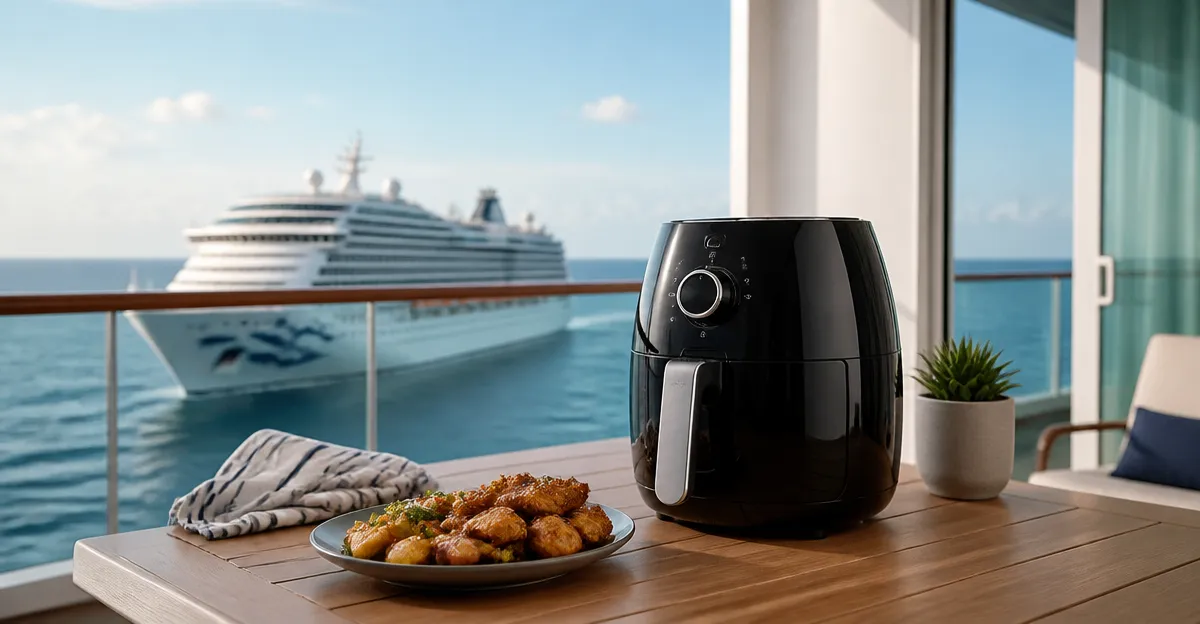
Can You Bring an Air Fryer into Your Cruise Ship Cabin? Ultimate Guide to Rules, Safety, and Practical Tips
Introduction
Travelers often wonder whether a personal air fryer can accompany them on a cruise vacation. This guide explains the regulatory landscape, safety concerns, and practical strategies for enjoying healthier meals while at sea. Readers will learn how cruise lines define prohibited appliances, which air fryers are most cabin‑friendly, and how to operate them without violating fire safety protocols. By the end of the article, one will possess a clear action plan for packing, using, and maintaining an air fryer on a cruise ship.
The information combines official cruise line policies, expert kitchen safety principles, and real‑world product data. It is designed for intermediate readers who have basic cooking knowledge and seek to enhance their onboard culinary experience.
Background and Context
Cruise ships are essentially floating hotels with complex electrical and fire‑suppression systems. Because cabins contain limited space and share ventilation, many operators restrict high‑heat appliances such as hot plates, toasters, and certain air fryers. Understanding why these rules exist helps travelers make informed decisions. The primary concerns include electrical overload, fire risk, and the potential for smoke to affect neighboring cabins.
Most major cruise lines publish appliance policies in their pre‑departure FAQs. Typically, devices that draw more than 1500 W, lack automatic shut‑off, or emit open flames are prohibited. However, many modern air fryers operate within safe power limits and include safety locks, making them acceptable when cleared with the ship’s staff.
Understanding Cruise Ship Policies
Before packing any kitchen gadget, passengers should verify the specific policy of their chosen line. The following points summarize common requirements:
- Maximum power draw of 1500 W to prevent circuit overload.
- Mandatory use of a fire‑resistant, non‑metallic base mat.
- Prohibition of appliances with exposed heating elements.
- Requirement to register the appliance with housekeeping upon boarding.
If a passenger fails to comply, the crew may confiscate the device, and the cabin could be subject to additional cleaning fees. Therefore, proactive communication with the cruise line’s guest services is essential.
Safety Considerations for Using an Air Fryer Onboard
Even when a cruise line permits an air fryer, safety remains paramount. The confined cabin environment amplifies the consequences of a malfunction. Follow these safety measures:
- Place the air fryer on a stable, heat‑resistant surface away from curtains or bedding.
- Never leave the appliance unattended while it is heating.
- Ensure adequate ventilation by opening a cabin window or using the ship’s built‑in exhaust fan.
- Keep a small fire extinguisher (Class ABC) within arm’s reach.
- Regularly inspect the power cord for wear and avoid using extension cords unless approved.
Adhering to these practices reduces the likelihood of accidental fires and aligns with the ship’s safety protocols.
Product Recommendations for Cabin Use
When selecting an air fryer for a cruise cabin, prioritize compact size, energy efficiency, and built‑in safety features. The three models below meet these criteria and have received strong consumer feedback.
For travelers who need a larger capacity without sacrificing power efficiency, the Cosori TurboBlaze Air Fryer offers a 6‑quart basket, PFAS‑free ceramic coating, and five fan‑speed settings. It draws 1725 W, which exceeds the typical 1500 W limit; however, many cruise lines allow occasional use of higher‑wattage devices if the cabin’s circuit can accommodate the load. The model’s safety lock and soft‑start motor reduce noise and sudden power spikes, making it a solid choice for cabins with robust electrical infrastructure.
For a more compact option, the Gourmia FryForce Air Fryer provides a 4‑quart capacity, 1300 W power draw, and twelve one‑touch presets. Its 360° airflow technology produces evenly crisped results while staying within most cruise line power limits. The dishwasher‑safe basket simplifies cleanup in the limited cabin sink.
Travelers seeking a balance between capacity and power may prefer the Ninja Air Fryer. With a 5‑quart basket, 1750 W rating, and Air Crisp Technology, it delivers rapid cooking and a 75 % reduction in fat compared with deep‑frying. Although its wattage is slightly above the typical threshold, the unit includes an automatic shut‑off timer and a sturdy, non‑stick basket that resists residue buildup.
Comparison and Selection Guide
| Feature | Cosori TurboBlaze | Gourmia FryForce | Ninja Air Fryer |
|---|---|---|---|
| Capacity | 6 qt (serves large families) | 4 qt (ideal for two) | 5 qt (mid‑size) |
| Power Consumption | 1725 W | 1300 W | 1750 W |
| Temperature Range | 90°‑450°F | 90°‑400°F | up to 400°F |
| Fan Speeds | 5 levels | Single high‑speed | Variable (Air Crisp) |
| Safety Features | Safety lock, soft‑start motor | Dishwasher‑safe parts, auto‑shutoff | Auto‑shutoff timer, non‑stick coating |
| Customer Rating | 4.8/5 (20,884 reviews) | 4.6/5 (5,129 reviews) | 4.7/5 (8,269 reviews) |
| Price | $99.99 | $42.93 | $63.20 |
Choosing the right model depends on cabin size, power allowances, and cooking volume. If the cruise itinerary includes multiple family meals, the Cosori’s larger basket may justify its higher wattage. Solo travelers or couples will find the Gourmia’s lower power draw and compact footprint advantageous. The Ninja model excels for users who prioritize rapid cooking and a versatile 4‑in‑1 functionality.
Best Practices & Tips for Cabin Air Frying
Beyond product selection, successful cabin cooking requires disciplined habits. Follow these actionable tips:
- Pre‑Plan Meals: Choose recipes that fit the basket size and cooking time to avoid multiple batches that increase energy use.
- Use the Preheat Setting Wisely: Many air fryers allow optional preheating. Skipping this step can reduce total power consumption.
- Arrange Food in a Single Layer: Proper airflow ensures even crisping and reduces the need for longer cooking cycles.
- Clean After Each Use: Remove food debris promptly to prevent smoke and odor buildup, which could trigger cabin alarms.
- Store Safely: When not in use, place the appliance in a protective sleeve or the original box to avoid accidental tip‑over.
Implementing these practices not only protects the cabin environment but also extends the lifespan of the air fryer.
Frequently Asked Questions
- Can I use any air fryer on a cruise ship? Most cruise lines require appliances to stay under 1500 W and to have built‑in safety locks. Always confirm with the line before boarding.
- Do I need to register the air fryer with housekeeping? Yes, many operators ask guests to list any high‑heat devices during cabin inspections to ensure compliance with fire safety protocols.
- Will the air fryer cause smoke alarms to go off? Proper ventilation and avoiding excessive oil reduce the risk. Clean the basket after each use to prevent residue buildup.
- Can I use the air fryer in the ship’s galley? Generally, galley equipment is reserved for crew. Cabin use is permitted only if the appliance meets the ship’s specifications.
- What if my cabin’s outlet cannot handle the wattage? Test the outlet with a low‑wattage device first. If the circuit trips, choose a lower‑wattage model such as the Gourmia FryForce.
- Are there any cruise‑specific accessories? A compact, heat‑resistant silicone mat and a portable fire extinguisher are recommended for all cabins.
- Can I bring a second‑hand air fryer? Yes, provided it meets the same safety standards. However, new units often include warranty coverage for travel‑related wear.
Conclusion
Bringing an air fryer onto a cruise ship can enhance the onboard dining experience, provided travelers respect the vessel’s safety regulations and select an appropriate model. By understanding power limits, employing diligent safety habits, and choosing a cabin‑friendly air fryer such as the Cosori TurboBlaze, Gourmia FryForce, or Ninja Air Fryer, one can enjoy healthier meals without compromising cabin safety. Careful preparation, clear communication with the cruise line, and adherence to best‑practice guidelines ensure a smooth, flavorful voyage.
Products Featured in This Guide
Cosori TurboBlaze Air Fryer
Price: $99.99 | Rating: 4.8/5 (20,884 reviews)
Featured for its large 6‑qt capacity, PFAS‑free ceramic coating, and five‑speed TurboBlaze technology that delivers rapid, even cooking—ideal for families sharing a cabin.
Gourmia FryForce Air Fryer
Price: $42.93 | Rating: 4.6/5 (5,129 reviews)
Featured for its compact 4‑qt size, 1300 W power draw, and twelve one‑touch presets, making it a space‑saving, energy‑efficient choice for couples or solo travelers.
Ninja Air Fryer
Price: $63.20 | Rating: 4.7/5 (8,269 reviews)
Featured for its 5‑qt capacity, Air Crisp Technology, and 75 % fat reduction claim, offering a versatile 4‑in‑1 cooking solution suitable for a wide range of cabin meals.