How to Use an Air Fryer in an Apartment: 15 Practical Tips to Improve Indoor Air Quality
Introduction
Living in an apartment often means limited space and shared ventilation, which can make cooking with an air fryer a challenge for indoor air quality. This guide explains fifteen practical steps that enable one to enjoy crispy, healthy meals without compromising the comfort of the home. Each tip is accompanied by product recommendations that act as tools rather than the focus of the article. By following these instructions, one can maintain a fresh, smoke‑free environment while maximizing the convenience of an air fryer.
What You’ll Need
- Air fryer of your choice
- Window or balcony access for natural ventilation
- Extension cord (if needed for placement)
- Cleaning supplies: soft brush, mild detergent, microfiber cloth
- Air purification device (recommended models are listed below)
Step 1: Choose the Right Location for Your Air Fryer
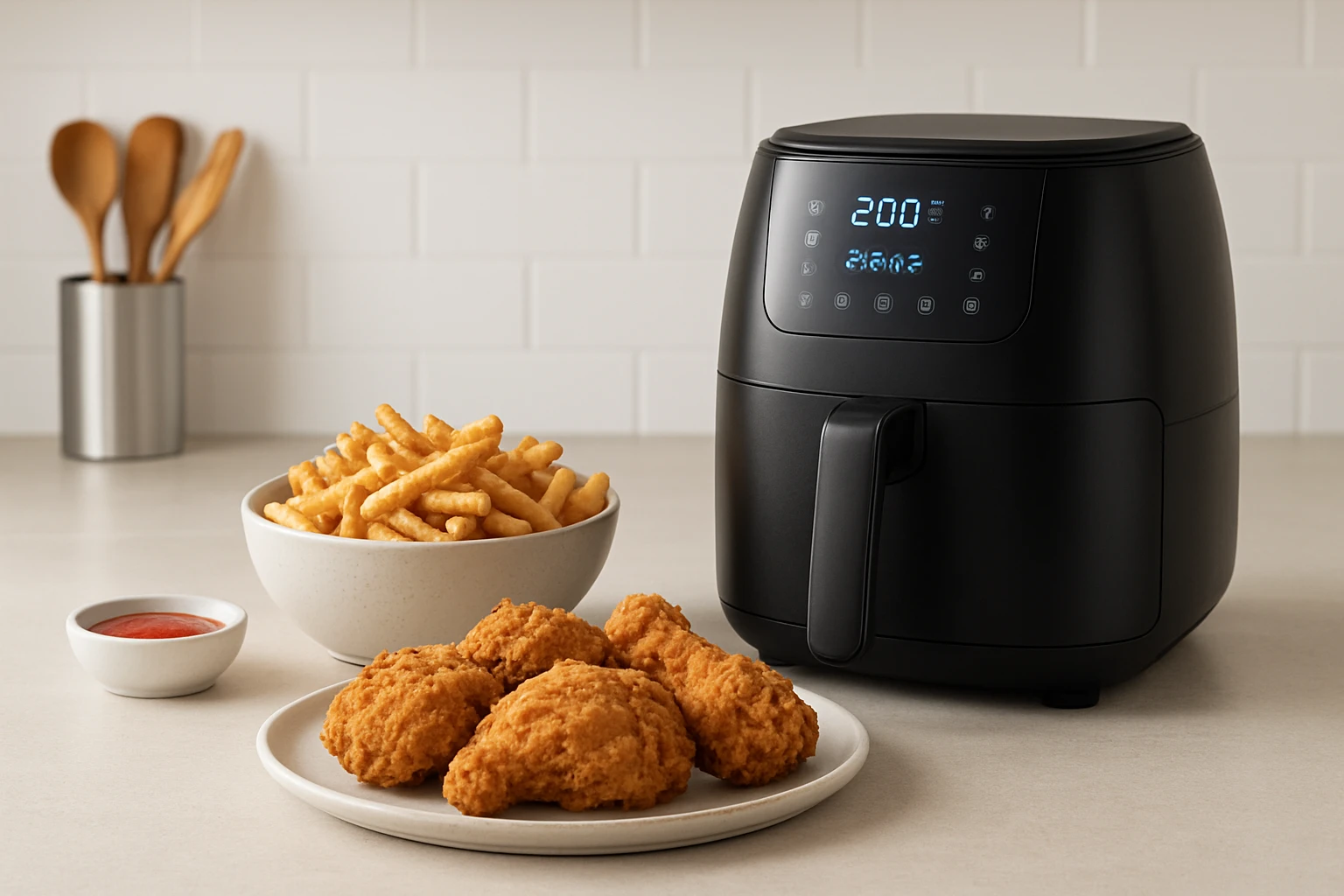
Place the air fryer on a stable, heat‑resistant surface that is at least twelve inches away from walls or cabinets. This clearance prevents heat buildup and reduces the risk of accidental fire. Selecting a countertop near a window allows natural airflow to carry away any light smoke. If space is limited, a rolling cart can provide mobility while preserving the required distance.
Step 2: Ensure Adequate Ventilation
Open a nearby window or balcony door before starting the appliance. Even a small opening creates a pressure differential that pushes cooking fumes outward. Position a portable fan to blow air toward the open window, enhancing the exhaust effect. In apartments without windows in the kitchen, consider installing a small exhaust vent or using a doorway fan.
Step 3: Use an Air Purifier for Smoke Removal
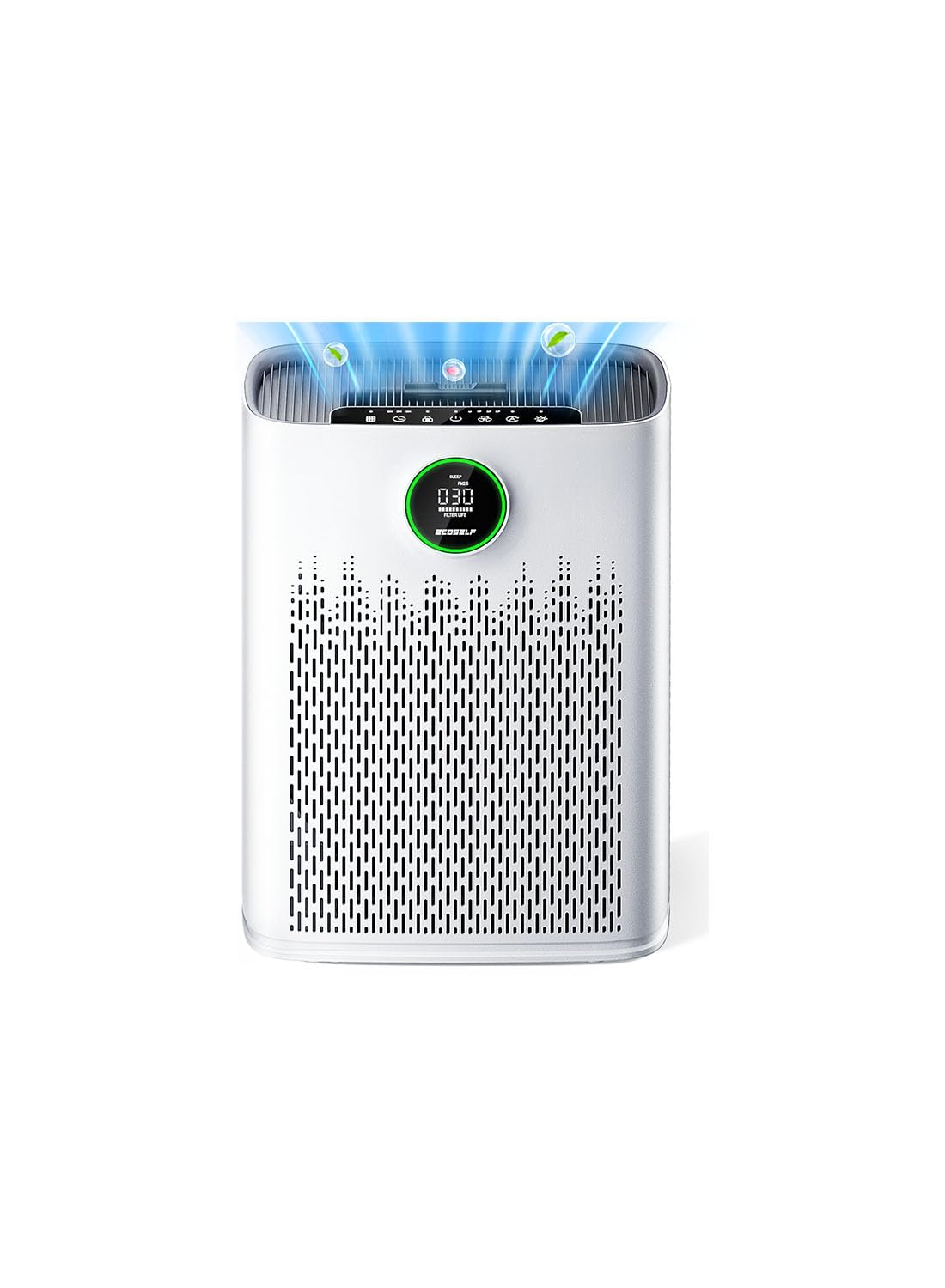
To capture fine particles and odors generated by high‑temperature cooking, one can employ a dedicated air purifier. The ECOSELF Large Room Air Purifier offers a 2X‑Power Filtration system that cleans air twice per hour for spaces up to 2400 ft², removing 99.97% of airborne particles. Priced at $292.99 with a 4.9‑star rating from 76 reviews, it includes a real‑time AQI display and a quiet 22 dB sleep mode, making it ideal for apartments where noise is a concern. Position the purifier across the room from the air fryer so that circulating air passes through the device before re‑entering the living area.
Step 4: Set Up a Dedicated Exhaust Fan
If the building permits, install a compact exhaust fan above the cooking area. A fan rated for at least 100 CFM can effectively draw out smoke and steam. Connect the fan to a timer so that it operates for ten minutes after cooking completes, ensuring residual particles are removed. Pairing the fan with the ECOSELF purifier creates a two‑stage filtration system that maximizes indoor air quality.
Step 5: Keep the Kitchen Door Open When Cooking
Even if a window is unavailable, opening the kitchen door creates a pathway for air to flow into adjacent rooms. This simple action reduces the concentration of pollutants in a confined space. Encourage occupants to close the door only after the purifier has run for several minutes, allowing the device to capture lingering particles.
Step 6: Use the Aromatherapy Feature to Mask Odors
The ECOSELF purifier includes an aromatherapy function that diffuses a gentle fragrance while purifying the air. Adding two to three drops of a favorite essential oil can neutralize cooking odors without overwhelming the senses. Because the device operates at only 22 dB in sleep mode, the aroma is delivered quietly, preserving a peaceful apartment environment.
Step 7: Clean the Air Fryer Regularly to Prevent Grease Build‑up
Residue on the heating element and basket can ignite when reheated, producing excessive smoke. After each use, allow the appliance to cool, then wipe the interior with a damp microfiber cloth. For stubborn grease, soak the basket in warm, soapy water for ten minutes before scrubbing with a soft brush. Regular cleaning reduces the frequency of air purifier activation, extending filter life.
Step 8: Replace Air Purifier Filters Promptly
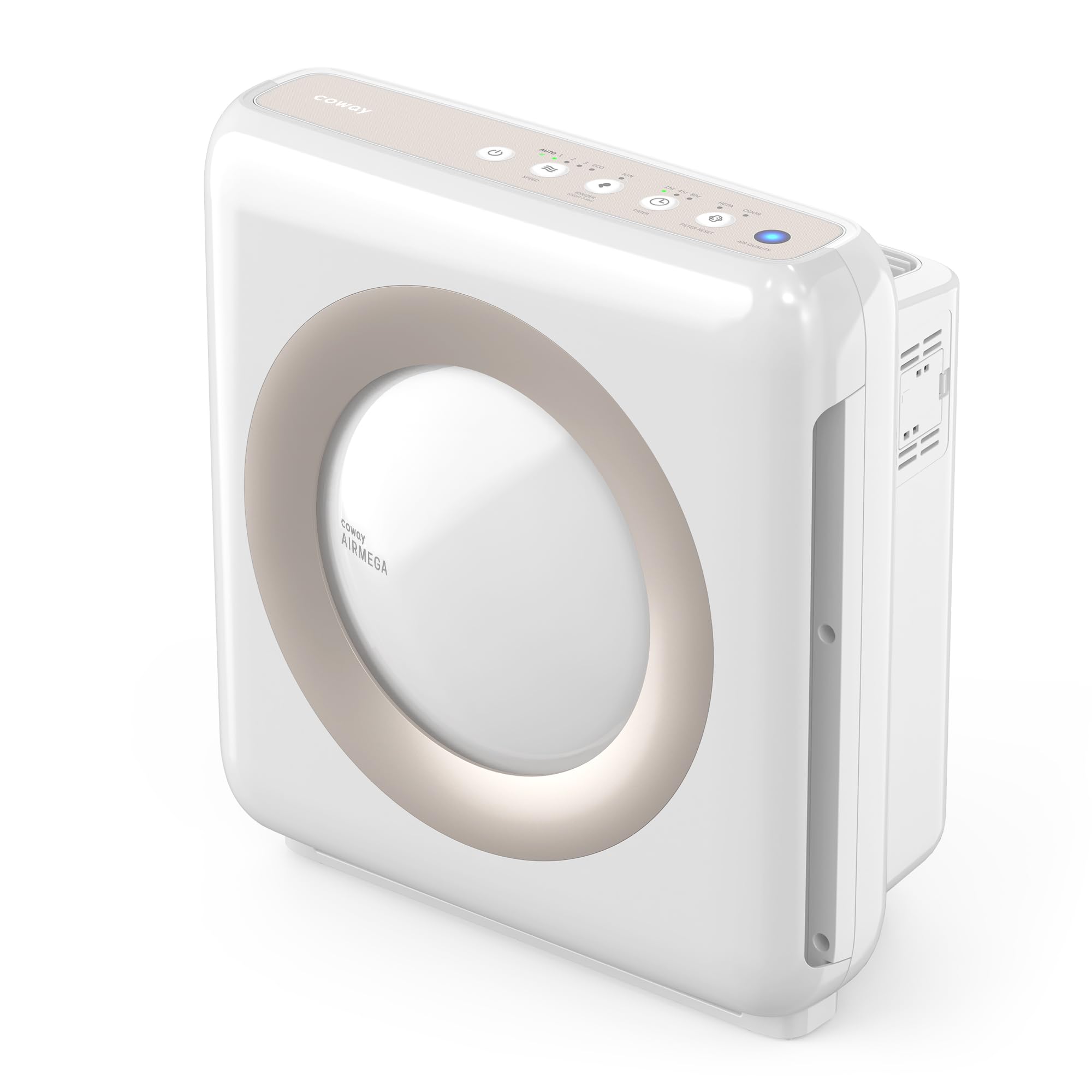
Filters lose efficiency over time, especially in environments with frequent cooking fumes. The Coway Airmega True HEPA Purifier features a four‑stage filtration system that includes a pre‑filter, odor filter, true HEPA filter, and ionizer. Priced at $229.99 with a 4.6‑star rating from 28,643 reviews, it signals filter replacement via an indicator light. When the light illuminates, replace the filter to maintain 99.97% particle capture, ensuring the air remains clean during and after cooking sessions.
Step 9: Monitor Air Quality with a PM2.5 Display
Real‑time feedback helps one adjust ventilation strategies on the fly. The ECOSELF purifier’s PM2.5 display shows particulate concentration in micrograms per cubic meter. When the reading exceeds 35 µg/m³, increase window opening or run the fan for additional minutes. This data‑driven approach prevents prolonged exposure to fine particles that can aggravate respiratory conditions.
Step 10: Operate in Low‑Noise Mode for Nighttime Cooking
Many apartments have quiet‑hours policies; therefore, using a low‑noise setting is essential. The ECOSELF purifier’s QuietMax Sleep Mode runs at 22 dB, comparable to a whisper, allowing one to cook late‑night snacks without disturbing neighbors. Activate this mode via the control panel, and the device will automatically adjust fan speed based on air quality while remaining unobtrusive.
Step 11: Optimize Cooking Temperature to Reduce Smoke
Higher temperatures cause oil to vaporize, creating visible smoke. Experiment with the recommended temperature range for each food item and aim for the lowest setting that still yields a crisp texture. Preheating the air fryer for only three minutes, rather than five, also limits the amount of heated air released into the room.
Step 12: Use Proper Cookware Accessories
Silicone mats and perforated parchment paper prevent food from dripping onto the heating element, which reduces the formation of smoke. These accessories also simplify cleaning, decreasing the need for deep‑clean cycles that generate additional moisture in the apartment. Ensure the accessories are rated for temperatures up to 400 °F to avoid melting.
Step 13: Schedule Maintenance for Both Appliances
Set a calendar reminder to perform monthly maintenance on the air fryer and air purifier. For the air fryer, inspect the heating coil for carbon buildup; for the purifier, check the filter indicator and clean the exterior vents. Consistent upkeep extends product lifespan and sustains optimal air quality.
Step 14: Use a Portable Purifier for Small Spaces
In studio apartments, a compact device may be more practical than a large‑room unit. The Levoit Core Mini‑P Air Purifier covers up to 1073 ft², operates at 27‑45 dB, and includes an aroma pad for scent diffusion. Priced at $44.99 with a 4.6‑star rating from 43,810 reviews, it provides targeted filtration for the immediate cooking zone. Place it on a nearby shelf so that air circulates directly through the purifier while the air fryer operates.
Step 15: Evaluate Overall Indoor Air Quality Regularly
After implementing the above steps, conduct a weekly assessment of indoor air quality. Use the AQI display on the ECOSELF or the LED indicator on the Coway unit to verify that particle levels remain within healthy limits. Adjust ventilation, filter replacement schedules, or cooking practices based on the observed data to maintain a consistently clean environment.
Tips & Pro Tips
- Never overload the air fryer basket; excess food can spill and create additional smoke.
- Use oils with high smoke points, such as avocado or refined olive oil, to minimize vapor formation.
- Combine natural ventilation with mechanical filtration for the most effective odor control.
- Keep a small spray bottle of distilled water nearby to quickly dampen any lingering smoke before it settles on furniture.
Troubleshooting
Problem: Persistent smoky smell after cooking.
Solution: Verify that the air purifier filter is not clogged; replace if the indicator is illuminated. Increase window opening size and run the fan for an additional five minutes.
Problem: Air fryer produces an unusual burnt odor even on low settings.
Solution: Clean the heating coil with a soft brush and ensure no food particles are stuck. If the odor persists, inspect the power cord for damage.
Conclusion
By integrating strategic placement, ventilation, and air purification, one can enjoy the convenience of an air fryer without compromising indoor air quality. The fifteen steps outlined in this guide provide a systematic approach that balances culinary performance with health‑focused living. Implement the recommended products where appropriate, and maintain regular upkeep to sustain a fresh, comfortable apartment environment.
Products Mentioned in This Guide
Frequently Asked Questions
How far should I place my air fryer from walls or cabinets in an apartment?
Keep it at least 12 inches away to allow heat dissipation and prevent damage to nearby surfaces.
What’s the best way to ventilate while using an air fryer in a small space?
Open a window or balcony door and use a small fan to direct steam and odors outward.
Do I need an air purifier when cooking with an air fryer?
A portable HEPA or carbon‑filter purifier helps capture fine particles and odors for cleaner indoor air.
How often should I clean the air fryer to maintain air quality?
Clean the basket and tray after each use and wipe the interior weekly with a soft brush and mild detergent.
Is it safe to use an extension cord with an air fryer?
Only use a heavy‑duty, grounded extension cord rated for the fryer’s wattage to avoid overheating.