How to Recycle a Mini Air Fryer: Complete Guide to Safe, Eco‑Friendly Electronics Disposal
Introduction
Recycling a mini air fryer presents an opportunity to reduce electronic waste while protecting valuable resources. This guide explains the full lifecycle of a compact fryer, from preparation for disposal to locating certified recycling facilities. Readers will learn how to assess the condition of their appliance, remove hazardous components, and choose the most responsible recycling pathway. In addition, the guide recommends a high‑performance product that aligns with sustainable cooking practices.
Background and Context
Mini air fryers belong to the broader category of small kitchen appliances that contain electronic circuitry, metal housing, and plastic components. When these devices are discarded in a landfill, they can release heavy metals such as lead and cadmium into the environment. Proper recycling recovers copper wiring, aluminum, and steel, while ensuring that toxic substances are treated safely. Understanding the regulatory framework, such as the United States Electronic Waste Recycling Act, helps consumers make compliant decisions.
Preparing Your Mini Air Fryer for Recycling
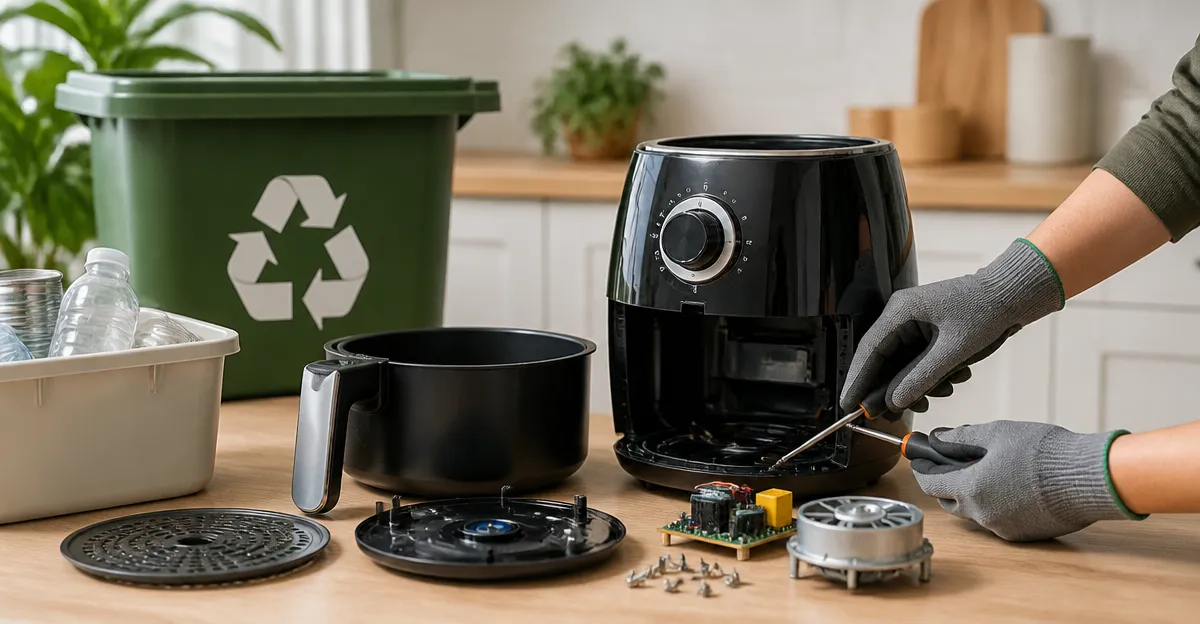
The first step is to evaluate whether the fryer can be repaired or donated. If the unit still functions, consider offering it to a local shelter or community kitchen; many organizations accept gently used appliances. When the appliance is beyond repair, follow these preparation steps:
- Unplug the fryer and allow it to cool completely.
- Remove the basket, tray, and any detachable accessories.
- Wash removable parts with mild detergent to eliminate food residue.
- Separate the power cord from the main housing if possible, as cords are often recycled separately.
Cleaning the components reduces contamination at the recycling facility and improves material recovery rates. Document the model number and serial number; some recyclers require this information for tracking.
Identifying Certified Recycling Options
Not all waste‑management centers accept small appliances, so it is essential to locate a certified e‑waste recycler. The following resources can assist:
- Earth911: An online database that lists nearby recycling locations based on zip code.
- Call2Recycle: Provides drop‑off points for batteries and electronic components.
- Manufacturer Take‑Back Programs: Some brands offer mail‑in or store‑front collection services.
When contacting a recycler, confirm that they handle mixed‑material appliances and inquire about any fees. Many municipalities offer free collection days for electronic waste, which can be a cost‑effective solution.
Safe Transportation and Documentation
Transporting a mini air fryer to a recycling center requires careful packing to avoid damage and spills. Place the cleaned components in a sturdy cardboard box, and seal the box with packing tape. Label the package with "Electronic Waste – Mini Air Fryer" to alert handlers of its contents. Keep a copy of the receipt or tracking number as proof of responsible disposal; some states provide tax incentives for documented recycling.
Recommended Sustainable Cooking Solution
For consumers seeking an environmentally conscious replacement, the Cuisinart Compact Air Fryer offers a blend of energy efficiency and versatile cooking performance. This 2.6‑quart appliance consumes 1100 watts and reaches temperatures up to 400°F, allowing rapid cooking with minimal oil. Its three preset programs—French Fries, Wings, and Frozen Snacks—reduce the need for multiple specialized devices, thereby conserving kitchen space and reducing overall material consumption.
The fryer includes a touch‑screen digital display, a toss reminder, and a viewing window, features that promote precise cooking and prevent over‑cooking, which in turn saves energy. With a rating of 4.6 out of 5 stars from 3,449 verified reviewers, the product demonstrates strong consumer confidence. Dishwasher‑safe parts further simplify maintenance, encouraging longer product life and decreasing the frequency of replacement.
Comparison and Selection Guide
When choosing a new mini air fryer, consider the following criteria:
| Criterion | Why It Matters | Recommended Feature |
|---|---|---|
| Capacity | Determines the volume of food that can be prepared in a single batch. | 2.0–3.0 quart range for one‑to‑two‑person households. |
| Power Consumption | Higher wattage can reduce cooking time but may increase electricity use. | 1100 W or lower with adjustable temperature settings. |
| Preset Programs | Predefined settings simplify cooking and improve consistency. | At least three presets covering common snack items. |
| Ease of Cleaning | Dishwasher‑safe components extend product lifespan. | Removable basket and tray that are dishwasher compatible. |
| Durability and Warranty | Long‑term reliability reduces waste generation. | Minimum one‑year manufacturer warranty. |
The Cuisinart Compact Air Fryer meets or exceeds each of these benchmarks, making it a prudent choice for eco‑conscious kitchens.
Best Practices & Tips for Eco‑Friendly Appliance Use
Beyond recycling, users can adopt habits that minimize environmental impact throughout the appliance’s life:
- Operate the fryer at the lowest effective temperature to conserve electricity.
- Utilize the toss reminder to achieve even cooking without excessive stirring, which reduces energy waste.
- Batch‑cook similar items to maximize the use of each heating cycle.
- Regularly descale and clean the interior to maintain heating efficiency.
- When the appliance reaches the end of its useful life, follow the preparation steps outlined earlier to ensure responsible disposal.
Frequently Asked Questions
- Can I recycle the metal basket separately?
- Yes, many recyclers accept aluminum and stainless‑steel components as scrap metal; separating them can increase the value recovered.
- Is there a fee for recycling a mini air fryer?
- Fees vary by jurisdiction; some municipalities provide free e‑waste collection, while private recyclers may charge a nominal fee based on weight.
- What hazardous materials are present in a mini air fryer?
- The primary concerns are lead‑based solder in the circuit board and brominated flame retardants in the plastic housing.
- How long does it take to recycle an appliance?
- Processing time ranges from a few days to several weeks, depending on the recycler’s schedule and the complexity of material separation.
- Can I donate a non‑functional air fryer?
- Some charitable organizations accept non‑working appliances for parts or refurbishing; contact local shelters to confirm their policies.
- Do manufacturers offer trade‑in programs?
- Occasionally, brands provide mail‑in trade‑in options that offer discounts on new purchases; check the official website for current offers.
Conclusion
Recycling a mini air fryer requires thoughtful preparation, knowledge of certified e‑waste facilities, and adherence to safe transportation practices. By following the steps outlined in this guide, consumers can divert valuable materials from landfills and support a circular economy. Selecting a durable, energy‑efficient replacement such as the Cuisinart Compact Air Fryer further reinforces sustainable cooking habits. Ultimately, responsible disposal and mindful purchasing together contribute to a healthier planet.
Products Featured in This Guide
Cuisinart Compact Air Fryer
Price: Not listed
Rating: 4.6 out of 5 stars (3,449 reviews)
Why it is featured: This 2.6‑quart air fryer combines high performance, energy‑saving features, and multiple cooking presets, making it an ideal replacement that encourages sustainable cooking while reducing the need for additional appliances.