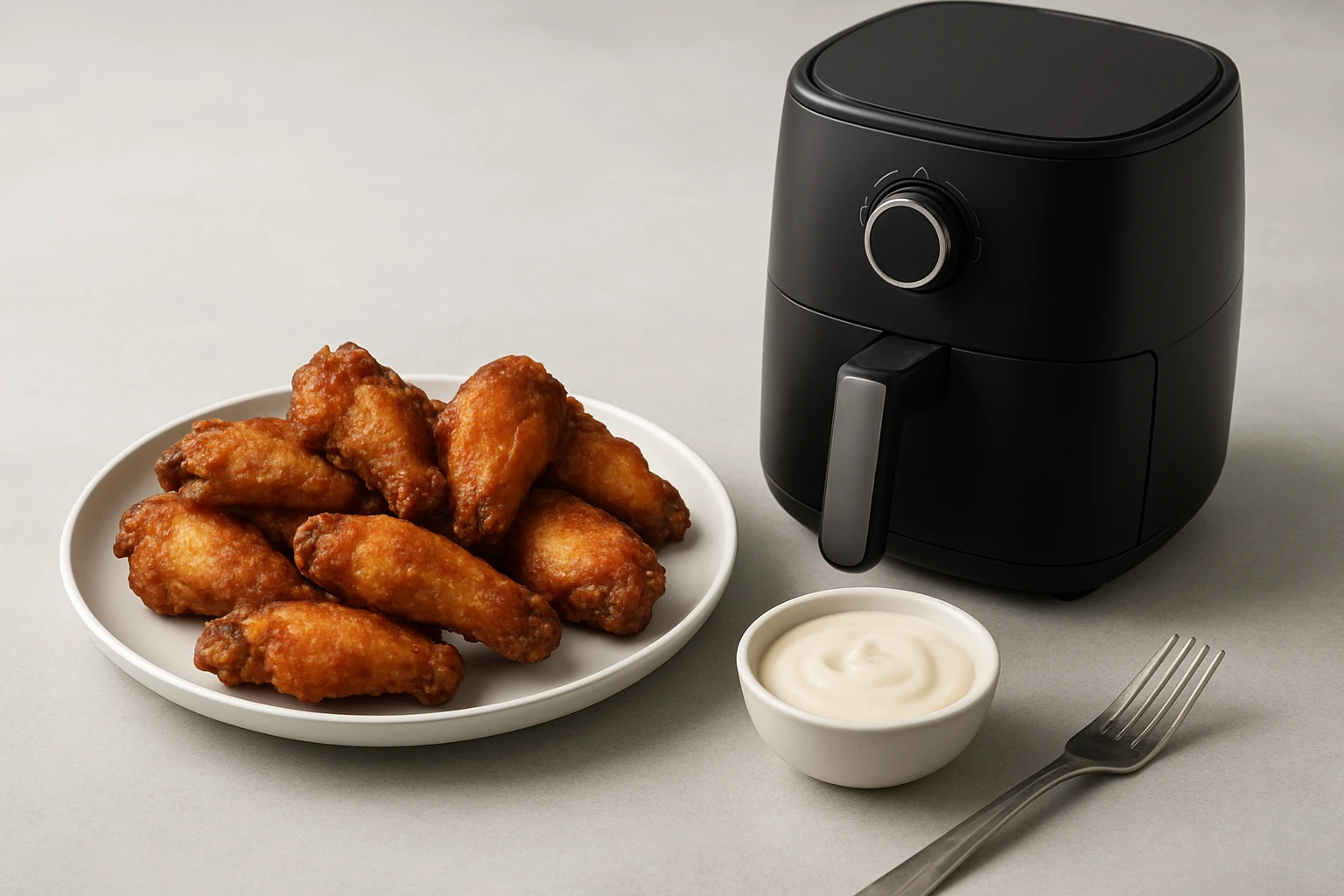
How to Get Crispy Wings in a Mini Air Fryer: Foolproof Steps for Perfect Wings
Introduction
Cooking wings that are golden on the outside and juicy on the inside can be challenging without a deep fryer. A mini air fryer provides a healthier, faster, and less messy alternative. This guide explains the entire process, from selecting the right wing cuts to achieving restaurant‑quality crispness. Readers will learn why temperature control, proper spacing, and accurate internal temperature matter, and they will receive actionable advice that works for beginners and experienced cooks alike.
By following the steps below, one can produce wings that rival those served at popular wing joints, while using less oil, less energy, and a countertop footprint that fits even the smallest kitchens.
What You'll Need
- Fresh or frozen chicken wings (approximately 1 to 2 pounds)
- Seasoning blend or wing sauce of choice
- Cooking oil spray (optional)
- Chefman 2 Qt Digital Air Fryer – $44.99, 4.5/5 rating (29,076 reviews)
- ThermoMonster Instant Read Meat Thermometer – $13.99, 4.8/5 rating (5,952 reviews)
- Gourmia Air Fryer Accessories Set – $19.99, 4.6/5 rating (133 reviews)
Step 1: Choose and Prepare the Wings
Begin by selecting high‑quality wings. If using frozen wings, allow them to thaw in the refrigerator for 12‑24 hours; this ensures even cooking and prevents steam from sogging the exterior. Pat the wings dry with paper towels; moisture on the surface inhibits the Maillard reaction, which creates the desirable crisp crust.
For added convenience, the Chefman 2 Qt Digital Air Fryer includes a nonstick basket that is dishwasher safe, making cleanup after a messy wing session effortless.
Optional: Lightly coat the wings with a high‑smoke‑point oil spray (such as avocado oil). The thin layer helps the skin render evenly without excessive oil absorption.
Step 2: Season or Marinate the Wings
Seasoning can be as simple as salt, pepper, and garlic powder, or as complex as a dry rub containing smoked paprika, cayenne, and brown sugar. Apply the seasoning evenly, then let the wings rest for at least 15 minutes. Resting allows the salt to draw out moisture, which later evaporates, leaving the skin drier and crisper.
If a wet sauce is preferred, reserve it for after cooking; applying sauce before air frying can prevent the skin from achieving maximum crispness.
Step 3: Preheat the Mini Air Fryer
Preheating the air fryer to 400°F (204°C) for three minutes creates an immediate burst of hot air when the wings are introduced. The Chefman model features a capacitive touch screen that lets the user set temperature precisely up to 400°F, and its rapid preheat function reduces overall cooking time.
Alternative models such as the Dash Tasti-Crisp Air Fryer also reach 400°F and include an audible timer, but the Chefman’s digital timer and shake reminder are particularly useful for wing cooks who need to flip midway.
Step 4: Arrange Wings in the Basket
Place the wings in a single layer inside the air fryer basket. Overcrowding traps steam and reduces airflow, resulting in soggy skin. The Chefman’s square 2‑quart basket maximizes usable space while still allowing adequate gaps between pieces.
If cooking a larger batch, consider using the Gourmia Air Fryer Accessories Set basket liner. The silicone liner prevents wings from sliding and makes cleanup quicker, while still permitting hot air to circulate.
Step 5: Cook the First Phase (10 Minutes)
Set the timer for 10 minutes at 400°F. The Chefman’s digital display will count down, and halfway through the cycle the device emits a shake notification. This audible cue reminds the cook to open the basket and shake the wings, ensuring each side receives equal heat.
During this phase, the hot air rapidly renders fat from the skin, creating a crunchy texture without submerging the wings in oil.
Step 6: Shake, Flip, and Continue Cooking (Another 8‑10 Minutes)
When the shake alarm sounds, pull the basket out, give it a gentle shake, and use tongs to flip any wings that appear to be browning unevenly. Return the basket and continue cooking for an additional 8‑10 minutes, depending on wing size. Larger drumettes may require the full 10 minutes, while smaller flats may be done in eight.
The Chefman’s automatic shut‑off feature ensures the unit powers down once the timer reaches zero, preventing overcooking.
Step 7: Verify Internal Temperature
Safety is paramount. Insert the ThermoMonster Instant Read Meat Thermometer into the thickest part of a wing. The thermometer provides a reading within 0.5 seconds with ±0.5°F precision, allowing the cook to confirm that the internal temperature has reached at least 165°F (74°C), the USDA‑recommended safe level.
If the temperature is below target, return the wings to the fryer for an additional 2‑3 minutes, then re‑check.
Step 8: Toss in Sauce (Optional) and Serve
Once the wings have reached the desired crispness and safe temperature, transfer them to a large bowl. If a sauce is desired, pour it over the hot wings and toss gently to coat evenly. The residual heat will help the sauce adhere without making the skin soggy.
Serve immediately with celery sticks, carrot ribbons, and a side of blue‑cheese dressing for a classic presentation.
Tips & Pro Tips
- Dry the skin thoroughly: Moisture is the enemy of crispness. Pat wings dry and consider a brief air‑dry in the refrigerator for 30 minutes.
- Use a light oil spray: A mist of avocado or grapeseed oil creates a golden finish without adding excess calories.
- Don't overload the basket: Cook in batches if necessary; this preserves airflow and ensures uniform browning.
- Finish with a high‑heat broil (optional): For extra crunch, place cooked wings under a broiler for 1‑2 minutes, watching closely to avoid burning.
- Utilize the shake reminder: The Chefman’s audible alert eliminates guesswork and guarantees even cooking.
- Store leftovers properly: Refrigerate within two hours in an airtight container. Reheat in the air fryer at 350°F for 5 minutes to restore crispness.
Troubleshooting
- Wings are soggy: Ensure the basket is not overcrowded and that the skin was dried before seasoning. Increase cooking time by 2‑3 minutes.
- Wings are burnt on the edges but raw inside: Reduce temperature to 375°F and extend cooking time; this allows the interior to catch up without over‑browning the exterior.
- Uneven browning: Use the shake function or manually flip wings halfway through each cycle.
Conclusion
Achieving perfectly crispy wings in a mini air fryer is entirely attainable with the right preparation, temperature control, and tools. By following the eight steps outlined above, one can enjoy restaurant‑quality wings with minimal oil, reduced mess, and a fraction of the time required by traditional deep‑frying methods. The recommended Chefman 2 Qt Digital Air Fryer, ThermoMonster thermometer, and Gourmia accessories enhance reliability and convenience, but the process works equally well with any comparable appliance.
Experiment with different rubs, sauces, and side dishes to make the recipe your own. With practice, the user will develop an intuition for timing and seasoning that yields consistently excellent results.
Products Mentioned in This Guide
Frequently Asked Questions
What temperature should I set a mini air fryer to for crispy chicken wings?
Preheat the mini air fryer to 400°F (200°C) and cook the wings for 20‑25 minutes, flipping halfway.
Do I need to thaw frozen wings before air frying them?
Yes, thawing ensures even cooking and crispness; if you use frozen wings, add extra 5‑7 minutes to the cooking time.
How much oil should I use to get a crunchy coating?
A light spray of cooking oil (about 1‑2 teaspoons) is enough to promote browning without making the wings greasy.
Can I crowd the basket and still get crispy wings?
No, arrange wings in a single layer with space between pieces; overcrowding traps steam and prevents crispness.
How do I know the wings are safely cooked inside?
Check that the internal temperature reaches 165°F (74°C) with a meat thermometer before serving.