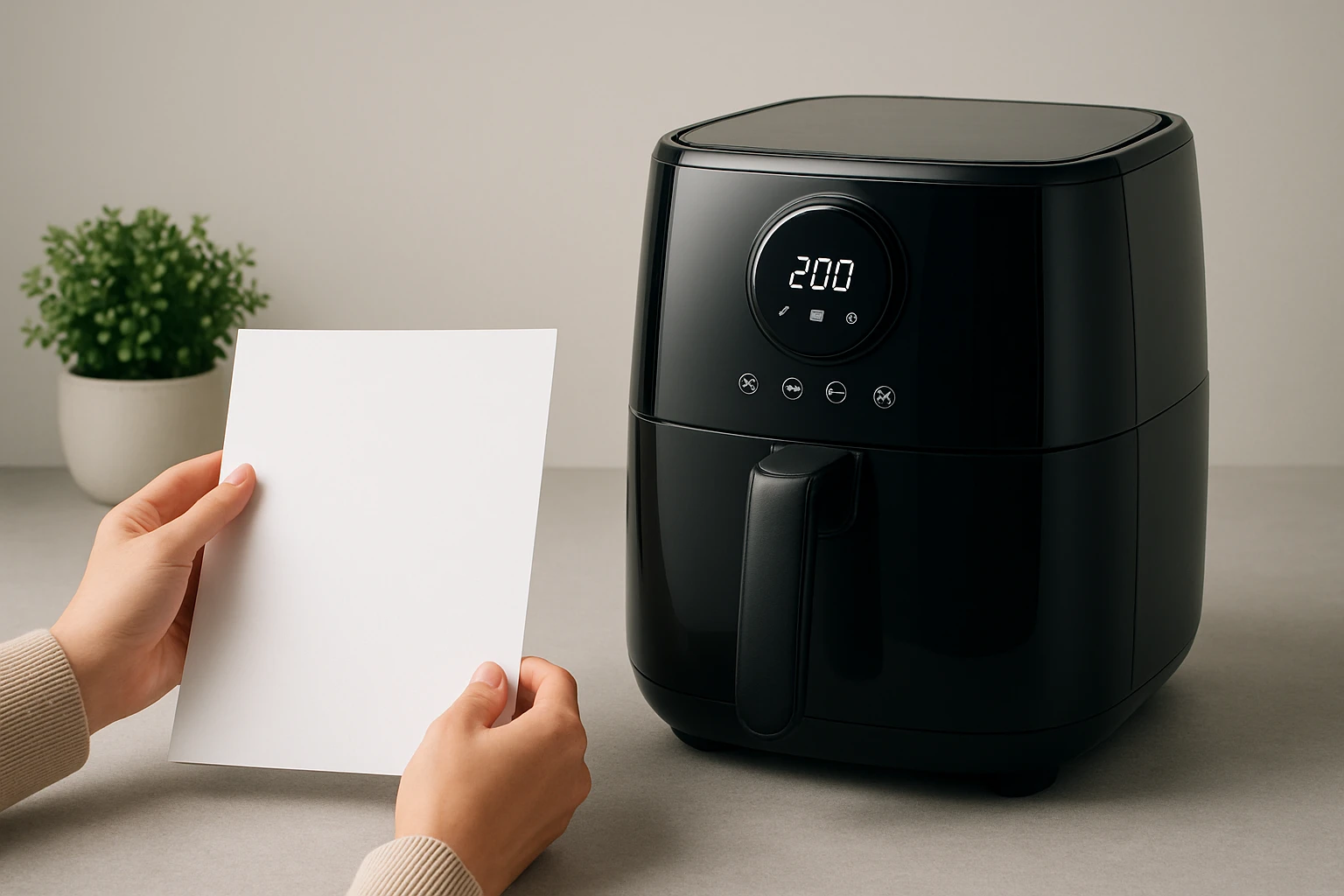
How to Extend the Lifespan of Your Mini Air Fryer: 12 Proven Tips for Long-Lasting Performance
In this guide, the reader will learn twelve actionable strategies that protect a mini air fryer from premature wear, maintain optimal cooking results, and reduce the need for costly repairs. Each tip is grounded in practical experience and supported by reliable tools that simplify routine maintenance. By following these recommendations, one can enjoy consistent performance for years while preserving the appliance’s aesthetic appeal. The value of extending the device’s life lies in saving money, reducing waste, and retaining the convenience of healthy, fast cooking.
What You'll Need
- Soft microfiber cloths for exterior wiping
- Non‑abrasive sponge for interior surfaces
- Gentle dish soap
- Air Fryer Cleaning Tools Set (includes hard‑bristle brush, crevice brush, dual‑side scrubber, detail brushes, and absorbent towel)
- Alpha Grillers Digital Meat Thermometer for temperature verification
- Silicone baking mat or parchment paper
- Storage rack or shelf with adequate ventilation
Step 1: Clean the Exterior After Every Use
Begin by allowing the air fryer to cool for at least five minutes, then wipe the outer shell with a soft microfiber cloth dampened in mild dish soap. Avoid abrasive pads, as they can scratch the coating and expose the metal to corrosion. A clean exterior prevents dust accumulation, which can interfere with ventilation fans. Regular wiping also preserves the appliance’s visual appeal, making it a pleasant addition to any kitchen countertop.
Step 2: Remove Food Residue From the Basket Immediately
Food particles left in the basket can burn during the next cycle, producing unpleasant odors and damaging the non‑stick surface. After each cooking session, detach the basket and use a non‑abrasive sponge to scrub away residue. For stubborn bits, the Air Fryer Cleaning Tools Set provides a hard‑bristle brush that removes grease without harming the coating.
Step 3: Deep‑Clean the Interior With the Crevice Brush
Every few weeks, disassemble removable components and run the crevice brush into the heating element housing and the mesh of the basket. The slim design reaches deep corners where oil can accumulate, preventing carbon buildup that reduces heating efficiency. This step is essential for maintaining consistent temperature distribution, which directly influences cooking results.
Step 4: Use the Dual‑Side Scrubber for Scorch Marks
If you notice dark patches on the basket or tray, employ the dual‑side scrubber from the cleaning set. One side offers a gentle sponge for routine cleaning, while the rough side tackles scorch marks without scratching the surface. This dual functionality extends the lifespan of the non‑stick coating, ensuring food releases easily and cleanup remains effortless.
Step 5: Dry All Components Thoroughly
After washing, use the absorbent towel included in the Air Fryer Cleaning Tools Set to dry each part. Moisture left on metal surfaces can cause rust, especially around the heating element. The towel also prevents water spots, preserving the appliance’s polished appearance.
Step 6: Monitor Cooking Temperatures With a Reliable Thermometer
Overheating occurs when users rely solely on the appliance’s preset settings without confirming internal food temperature. The Alpha Grillers Digital Meat Thermometer provides an instant 1‑2 second readout, allowing precise verification of doneness. By ensuring food reaches safe temperatures without excessive heat, the fryer experiences less strain, prolonging its operational life.
Step 7: Avoid Overloading the Basket
Filling the basket beyond its recommended capacity restricts airflow, causing uneven cooking and forcing the heating element to work harder. Follow the manufacturer’s volume guidelines and arrange food in a single layer whenever possible. Proper loading not only improves taste but also reduces wear on internal components.
Step 8: Use Silicone Mats or Parchment Paper
Placing a silicone baking mat or parchment paper at the bottom of the basket catches drips and prevents food from sticking directly to the metal surface. This barrier reduces the need for aggressive scrubbing, protecting the non‑stick coating from abrasion. Choose mats that are heat‑resistant up to at least 400°F to ensure safety.
Step 9: Allow Adequate Cooling Between Batches
Running consecutive cycles without a brief cooling period can cause the internal temperature to exceed design limits. Allow the unit to rest for two to three minutes after each batch, especially when cooking fatty foods that generate excess steam. This pause gives the fan and heating element time to dissipate heat, preventing premature fatigue.
Step 10: Store in a Well‑Ventilated Area
When the air fryer is not in use, place it on a shelf that permits air circulation around the vent openings. Storing the appliance in a confined space can trap moisture, leading to corrosion of metal parts. A ventilated environment also protects the power cord from bending or crushing.
Step 11: Perform Periodic Electrical Checks
Inspect the power cord and plug for signs of wear, fraying, or discoloration every six months. If any damage is detected, replace the cord immediately to avoid electrical hazards that could render the unit inoperable. Using a grounded outlet with a surge protector adds an extra layer of safety.
Step 12: Follow Manufacturer Firmware Updates (If Applicable)
Some modern mini air fryers receive firmware upgrades that improve temperature regulation and energy efficiency. Check the brand’s website or mobile app for available updates and install them according to the provided instructions. Updated firmware can reduce the workload on internal components, thereby extending the appliance’ lifespan.
Tips & Pro Tips
- Rotate food halfway through cooking to promote even heat distribution and reduce hotspot stress.
- Use the Cleaning Tools Set’s small detail brushes for button and vent cleaning, preventing dust buildup that can affect sensor accuracy.
- When cooking sugary sauces, line the basket with a silicone mat to avoid caramelization on the heating element.
- Keep a log of cooking times and temperatures; patterns of overuse become evident and can be corrected.
Troubleshooting
| Problem | Possible Cause | Solution |
|---|---|---|
| Food sticks to basket | Worn non‑stick coating or residue buildup | Deep‑clean with dual‑side scrubber; consider replacing the basket if coating is severely degraded. |
| Uneven cooking | Overcrowding or blocked vents | Reduce load size; clean vent openings with crevice brush. |
| Fryer does not turn on | Faulty power cord or tripped circuit | Inspect cord for damage; reset circuit breaker or use a different outlet. |
Conclusion
The twelve steps outlined above provide a comprehensive roadmap for preserving the performance and appearance of a mini air fryer. By integrating regular cleaning, temperature monitoring with the Alpha Grillers Digital Meat Thermometer, and mindful usage practices, one can significantly extend the appliance’ service life. Implementing these habits not only saves money but also enhances the quality of meals prepared, reinforcing the air fryer’s reputation as a convenient, healthy cooking solution.
Products Mentioned in This Guide
Frequently Asked Questions
How often should I clean the interior of my mini air fryer?
Wipe the interior after each use and deep‑clean with a non‑abrasive sponge weekly to prevent buildup.
Can I use regular dish soap on the air fryer basket?
Yes, a gentle dish soap and soft cloth are safe for the basket; avoid harsh detergents that can damage the coating.
What’s the best way to prevent the heating element from overheating?
Regularly remove food debris with a hard‑bristle brush and ensure proper airflow by not over‑filling the fryer.
Should I store my mini air fryer with the lid on or off?
Store it with the lid off and the basket removed to allow air circulation and avoid moisture trapping.
How do I know when it’s time to replace parts of my mini air fryer?
If you notice persistent uneven cooking, unusual noises, or the non‑stick coating is flaking, it’s time to replace the basket or heating element.