
How to Calculate Air Fryer Electricity Cost During Peak Hours: Step‑by‑Step Guide to Per‑Use & Per‑Hour Charges
Introduction
One often wonders how much money is spent each time an air fryer is used, especially when electricity rates rise during peak hours. This guide explains the methodology for determining the exact cost of operating an air fryer, both on a per‑use basis and per‑hour basis, while accounting for peak‑hour multipliers. Readers will learn how to gather required data, perform accurate calculations, and apply the results to budgeting decisions. Understanding these costs empowers individuals to make informed choices about cooking times, appliance selection, and energy‑saving practices.
The information presented is practical for anyone who owns a compact air fryer, whether it is a student living in a small apartment or a busy professional preparing quick meals. By following the steps, one can quantify electricity expenses with confidence and adjust usage patterns to reduce overall household bills.
What You’ll Need
- Recent electricity bill showing the base rate (cents per kilowatt‑hour) and any peak‑hour surcharge.
- Power rating of the air fryer (usually expressed in watts).
- Stopwatch or kitchen timer to record cooking duration.
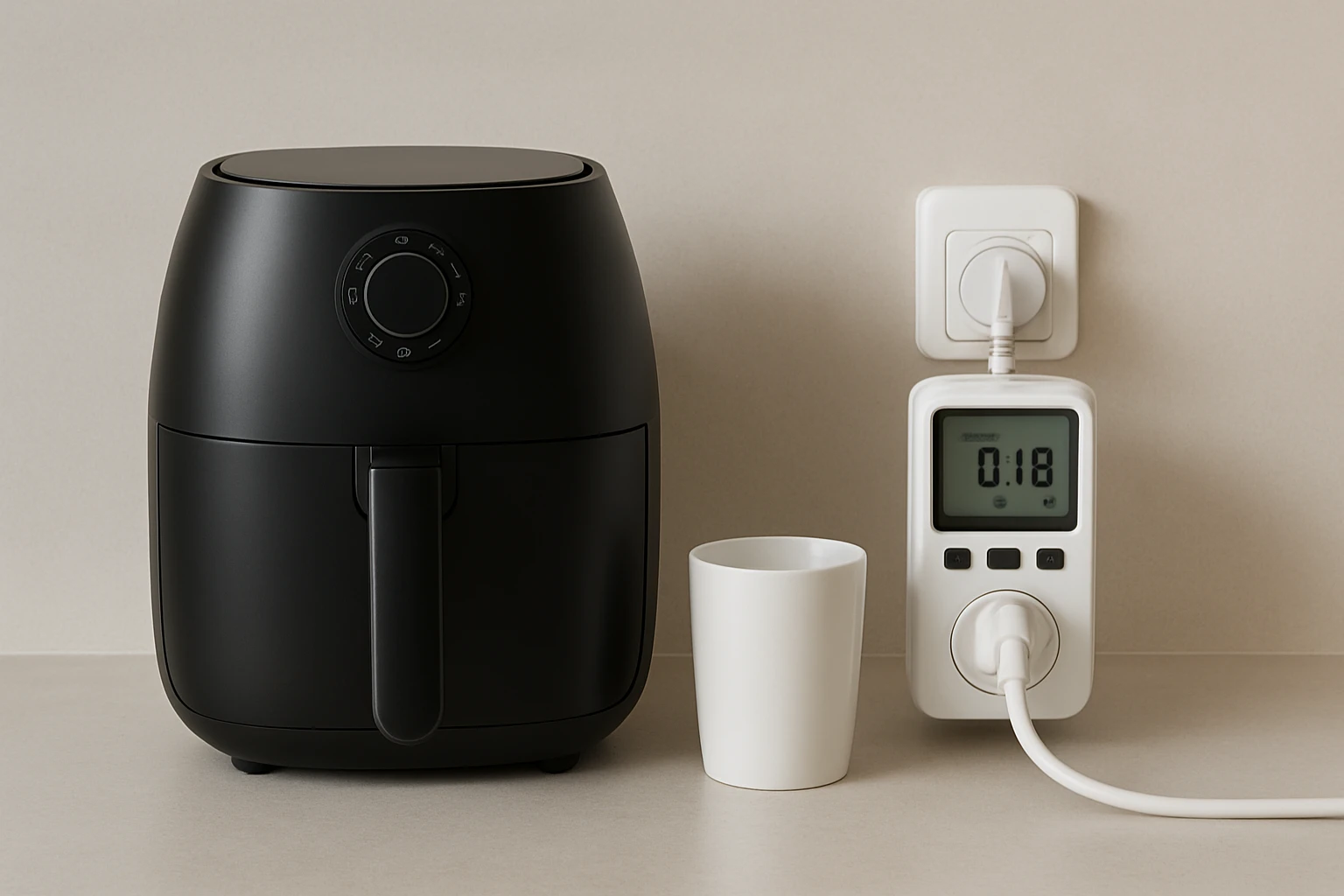
- Optional: Plug‑in power meter for precise measurement of actual consumption.
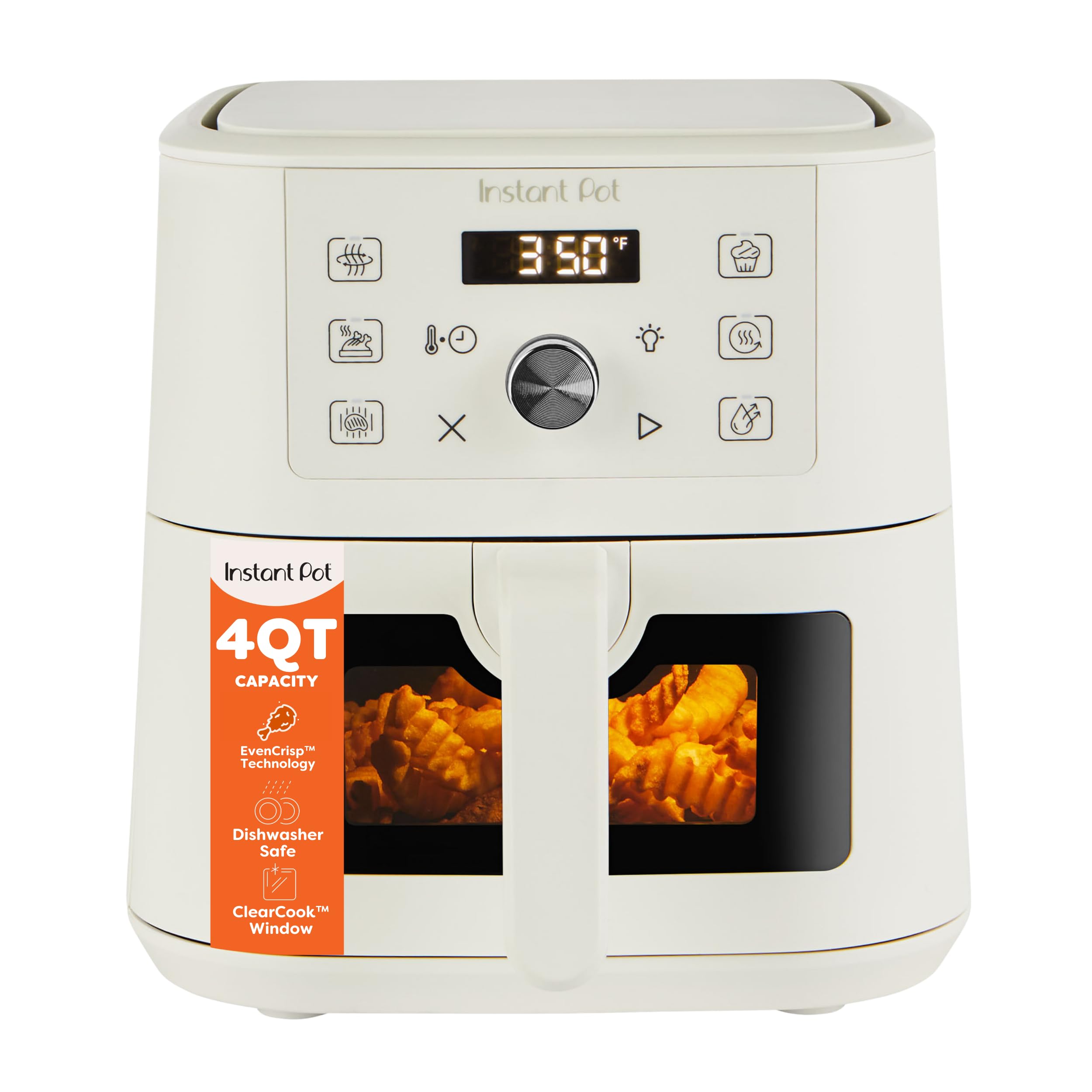
- One of the recommended compact air fryers for reference, such as the Instant Pot Vortex Mini Air Fryer or the Chefman Compact Air Fryer.
Step 1: Determine Your Electricity Rate
The first calculation requires knowledge of the cost per kilowatt‑hour (kWh) charged by the utility provider. Locate the section of the bill that lists the standard rate and any additional peak‑hour surcharge. For example, a utility may charge $0.12/kWh for off‑peak usage and apply a 20 % surcharge during peak periods, resulting in $0.144/kWh for peak hours.
Record both values in a notebook or spreadsheet. If the bill presents the rate in cents, convert it to dollars by dividing by 100. This conversion ensures consistency when performing subsequent arithmetic.
Understanding the exact rate is essential because the final cost calculation multiplies energy consumption by this figure. Without an accurate rate, any derived cost will be misleading.
Step 2: Identify the Air Fryer’s Power Consumption
Most manufacturers list the appliance’s maximum power draw on the product label or in the user manual. The Instant Pot Vortex Mini Air Fryer typically operates at 1500 W, while the Chefman Compact Air Fryer is rated at 1500 W as well. These values represent the maximum draw when the heating element is at full capacity.
If the exact wattage is not printed, consult the product page or contact the manufacturer. Using an inaccurate wattage will cause the cost estimate to deviate from reality.
For the purpose of this guide, assume a power consumption of 1500 W (1.5 kW). This figure will be used in the formula that converts watts to kilowatt‑hours.
Step 3: Measure the Actual Cooking Time
Start a timer when the air fryer begins its cooking cycle and stop it when the food is ready. Record the duration in minutes, then convert it to hours by dividing by 60. For instance, a typical batch of frozen french fries may require 20 minutes, which equals 0.33 hours.
When using preset programs, the appliance may display a countdown; capture that value directly. Consistency in measurement is important because the cost per use is directly proportional to the time the heating element is active.
If a plug‑in power meter is available, observe whether the appliance reaches its maximum wattage for the entire cycle. Some recipes involve a lower temperature phase, which reduces actual consumption. Adjust the calculation accordingly by averaging the wattage over the entire cycle.
Step 4: Calculate Energy Used per Use
The basic energy formula is:
Energy (kWh) = Power (kW) × Time (hours)
Using the example values, Energy = 1.5 kW × 0.33 h = 0.495 kWh per batch. This number represents the amount of electrical energy drawn from the grid for a single cooking session.
Round the result to three decimal places for easier multiplication with the electricity rate. In this case, 0.495 kWh will be used in the next step.
Step 5: Apply the Electricity Rate to Find Cost per Use
Multiply the energy consumption by the applicable rate. During peak hours, the cost per use becomes:
Cost = Energy (kWh) × Peak Rate ($/kWh)
Continuing the example, Cost = 0.495 kWh × $0.144/kWh = $0.0713, or roughly 7.1 cents per batch. For off‑peak usage, the same batch would cost 0.495 kWh × $0.12/kWh = $0.0594, or about 5.9 cents.
This calculation demonstrates how peak‑hour surcharges increase the expense of each cooking session, even though the difference appears modest on a per‑use basis.
Step 6: Derive Cost per Hour for Continuous Use
Some users may run the air fryer for extended periods, such as when preparing multiple dishes consecutively. To obtain a per‑hour cost, divide the cost per use by the duration in hours:
Cost per Hour = Cost per Use ÷ Time (hours)
Using the previous figures, Cost per Hour = $0.0713 ÷ 0.33 h ≈ $0.216 per hour during peak periods. This metric is useful for budgeting when the appliance is used for long cooking sessions.
Document these values in a spreadsheet to track trends over weeks or months. Observing cumulative costs can reveal opportunities for energy‑saving adjustments.
Step 7: Record, Review, and Optimize
Maintain a simple log that includes date, recipe, cooking time, electricity rate, and calculated cost. Over time, patterns will emerge, such as higher costs for certain recipes or specific peak‑hour windows.
Based on the data, consider strategies such as shifting cooking to off‑peak periods, reducing pre‑heat time, or selecting recipes that require lower temperatures. The compact size of the Instant Pot Vortex Mini Air Fryer also reduces heat loss, which can further lower energy consumption.
By regularly reviewing the log, one can make evidence‑based decisions that balance convenience with cost efficiency.
Tips & Pro Tips
- When possible, batch‑cook multiple items in a single session to amortize the pre‑heat energy across a larger quantity of food.
- Utilize the air fryer’s clear window and internal light to monitor progress without opening the door, thereby preserving heat and reducing runtime.
- Take advantage of the dishwasher‑safe basket of both the Instant Pot Vortex Mini Air Fryer and the Chefman Compact Air Fryer to save water and time during cleanup.
- Enable the shake notification on the Chefman model to ensure even cooking, which can reduce the need for extended cooking times.
- Consider purchasing a plug‑in power meter for the most accurate measurement; this tool provides real‑time wattage data that reflects the appliance’s actual draw.
Troubleshooting
Problem: Calculated cost seems higher than expected.
Solution: Verify that the correct peak‑hour multiplier has been applied. Some utilities publish separate rates for different times of day; ensure the appropriate rate matches the cooking window.
Problem: Power rating on the label does not match the reading on a power meter.
Solution: The label indicates maximum draw, while the meter reflects actual consumption based on the selected temperature and cooking mode. Use the average reading from the meter for the most precise cost estimate.
Conclusion
Calculating the electricity cost of an air fryer during peak hours involves identifying the utility rate, determining the appliance’s power consumption, measuring cooking duration, and applying a straightforward formula. By following the seven steps outlined, one can obtain both per‑use and per‑hour cost figures, enabling better budgeting and energy‑saving decisions. Regular tracking and the occasional adjustment of cooking habits can further reduce expenses without sacrificing convenience.
Armed with these insights, readers are encouraged to apply the methodology to any kitchen appliance, thereby gaining greater control over household energy expenditures.
Products Mentioned in This Guide
Frequently Asked Questions
How do I calculate the electricity cost of using an air fryer per use?
Multiply the air fryer's wattage (in kW) by the cooking time (in hours) and then by your utility's per‑kWh rate, adjusting for any peak‑hour multiplier.
What information do I need from my electricity bill to compute peak‑hour costs?
You need the base rate (cents/kWh), the peak‑hour surcharge or multiplier, and the time periods classified as peak.
Why does the cost per hour differ from the cost per use for an air fryer?
Cost per hour reflects continuous power draw, while cost per use accounts for the actual minutes the fryer runs, which is usually less than a full hour.
Can I reduce my air fryer electricity bill by cooking during off‑peak hours?
Yes, using the fryer when off‑peak rates apply eliminates the peak surcharge, lowering the per‑use cost.
Is it accurate to estimate air fryer energy use without a watt‑meter?
Estimations using the appliance’s rated wattage are reasonably accurate, but a watt‑meter provides precise real‑time consumption data.