
Introduction
Cross‑contamination can turn a healthy meal into a health risk, especially when cooking in a compact appliance such as a mini air fryer. This guide explains how to keep food safe, how to clean the device efficiently, and which tools can simplify the process. Readers will learn step‑by‑step procedures, practical tips, and troubleshooting advice that protect both the appliance and the eater. By following these instructions, one can enjoy quick, oil‑light meals without compromising food safety.
What You'll Need
- Chefman 2Qt Digital Air Fryer – the primary cooking tool.
- Food‑grade silicone mats or parchment paper for separating foods.
- Non‑abrasive cleaning sponges and soft brushes.
- Heat‑resistant gloves for handling hot components.
- Separate storage containers for raw and cooked items.
Step 1: Prepare the Air Fryer
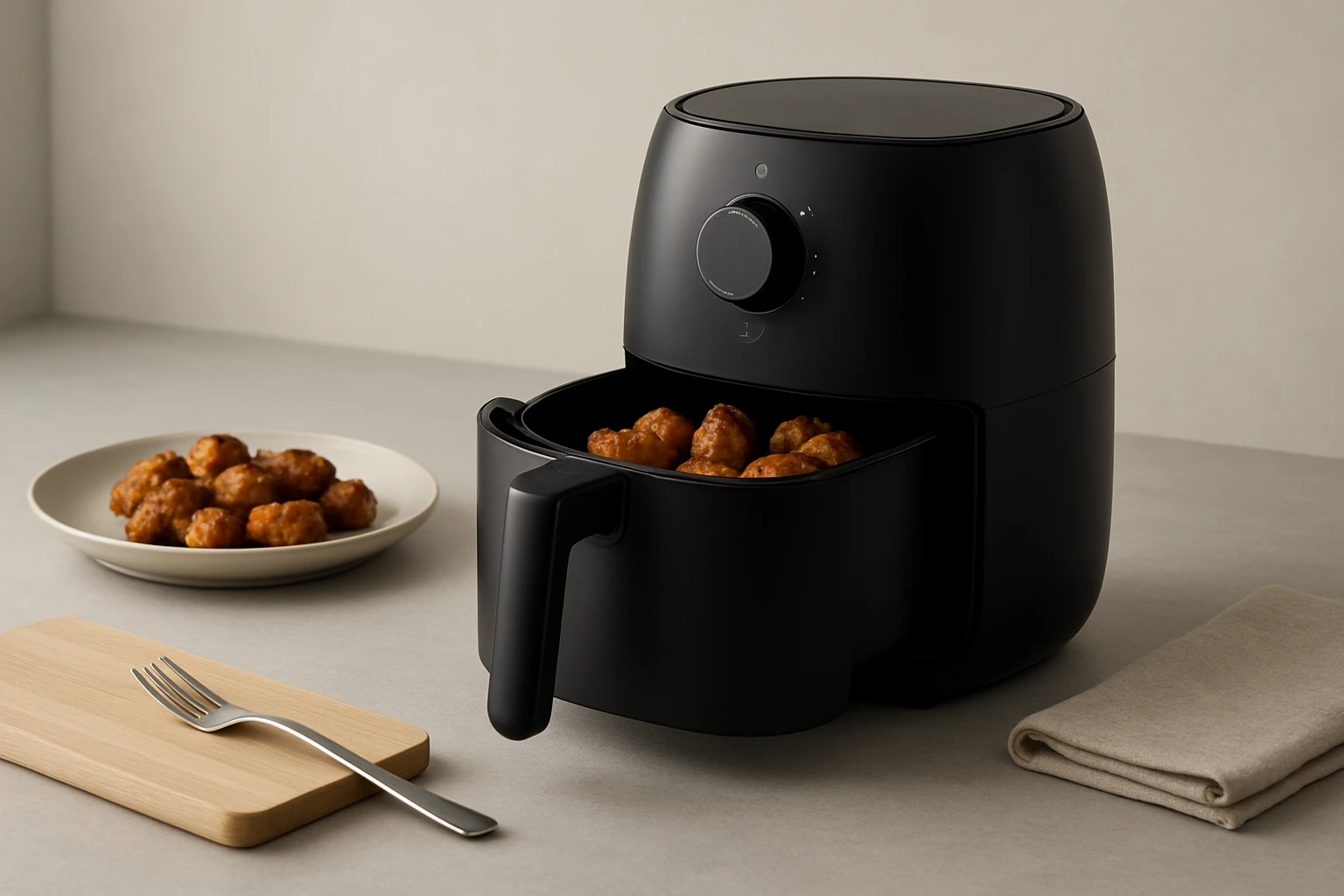
Before any cooking begins, place the Chefman 2Qt Digital Air Fryer on a stable, heat‑resistant surface away from water sources. The device features a capacitive touch screen that allows temperature control up to 400°F, enabling rapid cooking that is three times faster than a conventional oven. Its compact 2‑quart basket is designed for one to two servings, making it ideal for single‑person households or small families. The built‑in automatic shutoff and shake notifications enhance safety by preventing overcooking and ensuring even crispness.
Step 2: Separate Raw and Cooked Foods
Always keep raw proteins, such as chicken or pork, separate from ready‑to‑eat items like vegetables or pre‑cooked snacks. Use distinct silicone mats or parchment sheets to line the basket for each food type. This physical barrier prevents juices from raw meat from dripping onto other foods, which is the most common route for bacterial transfer. The nonstick basket of the Chefman fryer is dishwasher safe, but avoiding direct contact with raw juices simplifies post‑cook cleaning.
Step 3: Use Proper Temperature Settings
Set the air fryer to the recommended temperature for each ingredient, consulting reputable recipes or USDA guidelines. For poultry, a minimum internal temperature of 165°F is required; for ground meats, 160°F is the standard. The digital timer on the Chefman unit allows precise control, reducing the risk of undercooking. An audible shake reminder prompts the user to stir or flip foods halfway through the cycle, promoting uniform heat distribution and preventing cold spots where bacteria could survive.
Step 4: Practice Safe Handling During Loading
When loading the basket, wear heat‑resistant gloves to avoid burns and use tongs rather than hands. This practice minimizes direct contact with food surfaces that may be contaminated. Place food items in a single layer whenever possible; overcrowding obstructs airflow and can cause uneven cooking, which again raises contamination risk. The Chefman fryer’s square basket maximizes space while still allowing adequate air circulation.
Step 5: Clean Immediately After Use
After the cooking cycle completes and the appliance has cooled for five minutes, remove the basket and rack. Rinse them under warm water to eliminate residual oils and food particles. For stubborn residue, apply a non‑abrasive sponge with a mild dish detergent. Because the basket and rack are dishwasher safe, one can place them on the top rack for a thorough clean. The automatic shutoff feature ensures the unit will not restart while you are cleaning.
Step 6: Sanitize the Interior
Wipe the interior walls of the air fryer with a soft cloth dampened with a solution of one tablespoon of white vinegar per cup of water. Vinegar acts as a natural sanitizer, destroying common pathogens without leaving chemical residues. Avoid submerging the main housing in water; only the removable components should be washed. Dry all parts completely before reassembly to prevent moisture‑related electrical issues.
Step 7: Store Properly
Once clean and dry, store the appliance with the basket and rack folded back into the base, or keep them in a clean cabinet. The compact design of the Chefman fryer allows it to fit easily into most kitchen cabinets, freeing countertop space for other tasks. Ensure the storage area is free from raw meat or other contaminants that could re‑introduce bacteria.
Tips & Pro Tips
- Label storage containers for raw and cooked foods to avoid accidental mixing.
- Use a digital meat thermometer to verify internal temperatures, especially for poultry.
- Rotate the basket halfway through cooking even if the shake reminder does not sound; this guarantees even heat exposure.
- Replace the silicone mat if it shows signs of wear, as cracks can harbor bacteria.
- Schedule a deep clean weekly by removing the heating element cover and wiping it with a damp cloth.
Troubleshooting
Problem: Food sticks to the basket and is difficult to remove.
Solution: Lightly coat the basket with a spray‑bottle of cooking oil before cooking. The nonstick coating of the Chefman basket reduces adhesion, and a thin oil layer further prevents sticking without adding significant calories.
Problem: Uneven browning or soggy spots.
Solution: Ensure food items are placed in a single layer and use the shake reminder to redistribute heat. Overcrowding blocks airflow, which is essential for the rapid convection that the air fryer relies on.
Conclusion
By following the outlined steps, one can effectively prevent cross‑contamination when using a mini air fryer. Proper preparation, separation of raw and cooked foods, accurate temperature control, and diligent cleaning create a safe cooking environment. The Chefman 2Qt Digital Air Fryer serves as a reliable tool, offering convenient features such as a touch screen, shake alerts, and dishwasher‑safe components that support these safety practices. Incorporate these habits into daily cooking routines to enjoy quick, healthy meals without compromising health.
Products Mentioned in This Guide
Frequently Asked Questions
How can I prevent cross‑contamination when using a mini air fryer?
Separate raw and cooked foods with silicone mats or parchment, and always place raw items on a different rack or tray.
What cleaning tools are safe for a mini air fryer?
Use non‑abrasive sponges or soft brushes and avoid metal scouring pads to protect the coating.
Do I need to pre‑heat the air fryer to avoid contamination?
Pre‑heating isn’t required for safety, but it helps ensure even cooking and reduces the chance of undercooked raw food touching cooked food.
How should I store leftovers from the air fryer to avoid cross‑contamination?
Transfer leftovers to separate, sealed containers and keep raw and cooked items in different sections of the fridge.
Can I use the same accessories for different foods without washing?
No; always wash silicone mats, parchment, and trays between uses to prevent bacterial transfer.