Introduction
Cooking at high altitude presents unique challenges because reduced atmospheric pressure lowers the boiling point of water and alters heat transfer. As a result, air‑fried foods may emerge soggy, undercooked, or unevenly browned. This guide explains how to modify temperature, cooking time, and texture techniques so that one can achieve consistently crisp results even above 3,000 feet. Readers will learn practical adjustments, discover tools that simplify the process, and gain confidence to experiment with a wide range of recipes.
What You’ll Need
- Reliable high‑altitude thermometer (optional but helpful for verification)
- Silicone spatula for gentle food handling
- Cooking spray or light oil for optimal crisping
- Ninja XL Air Fryer – 6.5 qt capacity, 6‑in‑1 functions, 450°F max temperature, 4.7‑star rating, $119.99
Step 1: Assess Altitude and Adjust Temperature
At elevations above 3,000 ft, the boiling point of water drops by roughly 5 °F for every 1,000 ft, meaning food dries more quickly and proteins set faster. To compensate, increase the air‑fryer temperature by 10‑15 °F. For example, a recipe that calls for 350 °F at sea level should be set to 360‑365 °F when cooking at 5,000 ft.
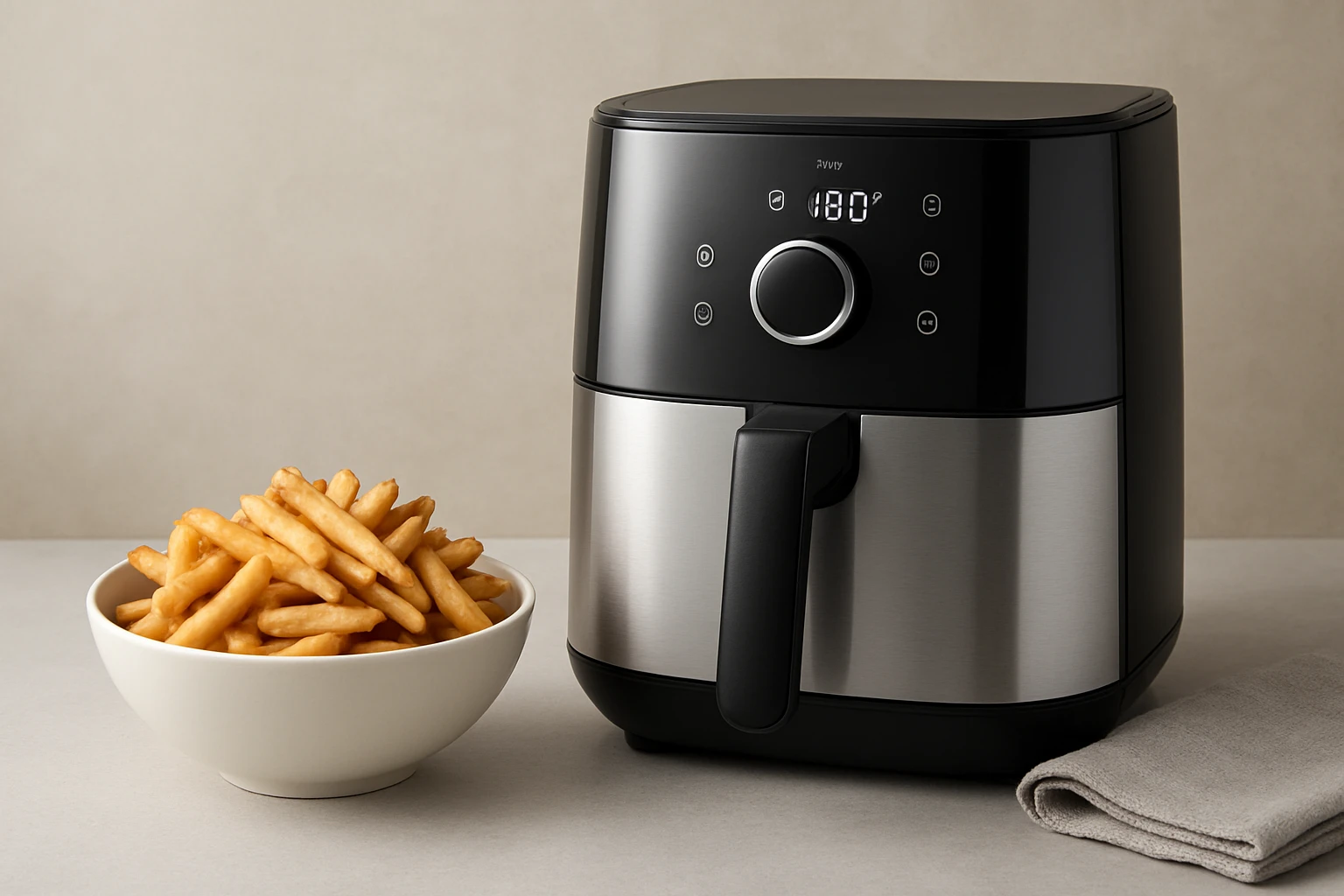
The Ninja XL Air Fryer is particularly suited for this adjustment because its MaxCrisp Technology delivers superheated air up to 450 °F, providing a wide temperature range that accommodates altitude‑specific increases without sacrificing energy efficiency. Its precise digital controls allow one‑tap temperature changes, ensuring repeatable results.
When setting the temperature, start with the recommended increase, then monitor the first batch closely. If the exterior browns too quickly while the interior remains raw, lower the temperature by 5 °F and extend the cooking time slightly.
Record the adjusted temperature for each type of food; this creates a personal altitude‑adjusted recipe database that speeds future cooking sessions.
Step 2: Extend Cooking Time Strategically
Reduced air pressure also means that heat penetrates food more slowly, so most high‑altitude cooks need to add 5‑10 % more time than the original recipe suggests. If a sea‑level recipe recommends 20 minutes, aim for 21‑22 minutes at altitude.
Because the Ninja XL Air Fryer circulates air uniformly with its non‑stick crisper plate, extending time does not create the uneven hot spots that traditional ovens often produce. The large 6.5‑qt basket allows a single layer of food, which is essential when adding minutes; crowding would trap steam and negate the crisping effect.
To avoid over‑drying, flip or shake the food halfway through the extended period. The appliance’s built‑in timer and audible alert remind the user when the midway point is reached, making the process hands‑free.
For delicate items such as fish or thin pastries, increase time in 2‑minute increments while observing texture, rather than applying a blanket 10 % increase.
Step 3: Manage Moisture for Desired Texture
At high altitude, moisture evaporates more rapidly, which can lead to overly dry interiors. Counteract this by lightly coating foods with a thin layer of oil or cooking spray before air frying; the oil creates a barrier that retains internal moisture while still allowing the exterior to crisp.
The Ninja XL Air Fryer’s non‑stick basket reduces the need for excess oil, but a mist of 1‑2 teaspoons of oil per pound of food is sufficient. This small amount improves Maillard browning, which is especially important when the temperature has been raised.
For foods that benefit from added humidity, such as vegetables, place a small cup of water on the lower rack of the air fryer (if the model permits) or lightly mist the basket with water before cooking. The added steam helps maintain tenderness while the MaxCrisp airflow creates a golden crust.
Finally, use the Dehydrate function to create snacks like dried fruit or jerky, which require low temperature and longer time. At altitude, set the dehydrator to 135 °F (instead of 130 °F) and increase the cycle by 15 % to ensure complete moisture removal.
Tips & Pro Tips
- Preheat the air fryer. Just as with a conventional oven, a 2‑minute preheat stabilizes temperature, reducing the variance caused by altitude.
- Use a single layer. Stacking food impedes airflow, leading to uneven crisping; the Ninja XL’s spacious basket makes single‑layer cooking easy.
- Invest in a digital instant‑read thermometer. Verifying internal temperature (e.g., 165 °F for poultry) ensures safety despite altered cooking times.
- Adjust seasoning after cooking. Salt can draw out moisture during the longer high‑altitude cook, so season lightly before air frying and finish with a final sprinkle.
- Keep the air fryer clean. Residual oil can smoke more readily at higher temperatures; the dishwasher‑safe basket of the Ninja XL simplifies maintenance.
Troubleshooting
| Problem | Possible Cause | Solution |
|---|---|---|
| Food is soggy | Insufficient temperature increase or overcrowding | Raise temperature by 10 °F, ensure a single layer, and extend time by 5‑10 % |
| Exterior burns before interior cooks | Temperature set too high for the specific food | Reduce temperature by 5‑10 °F and increase cooking time modestly |
| Food dries out | Excessive time increase or lack of moisture | Apply a thin oil coating, add a water cup for steam, and reduce time by 2‑3 minutes |
Conclusion
By understanding how reduced atmospheric pressure influences heat transfer, one can confidently adjust temperature, time, and moisture to achieve perfect air‑fried results at any elevation. The Ninja XL Air Fryer provides the flexibility, power, and capacity needed to implement these adjustments efficiently. With the strategies outlined above, readers will be able to enjoy crisp, evenly cooked meals whether they live in Denver, Mexico City, or any high‑altitude region.
Products Mentioned in This Guide
Frequently Asked Questions
How does high altitude affect air‑fryer cooking?
Reduced atmospheric pressure lowers water's boiling point, causing foods to dry faster and potentially become soggy or undercooked if settings aren’t adjusted.
What temperature adjustment is recommended above 3,000 ft?
Increase the air‑fryer temperature by 10–15 °F to compensate for quicker moisture loss at high elevations.
Should cooking time be changed for high‑altitude air frying?
Yes, reduce the cooking time by about 5–10 % and check for doneness early to avoid over‑drying.
Is a high‑altitude thermometer necessary?
While optional, a thermometer helps verify internal food temperatures and ensures consistent results when altitude changes cooking dynamics.
What accessories improve crisping at high altitude?
Using a light coating of cooking spray or oil and a silicone spatula for gentle flipping helps achieve even browning and a crisp texture.