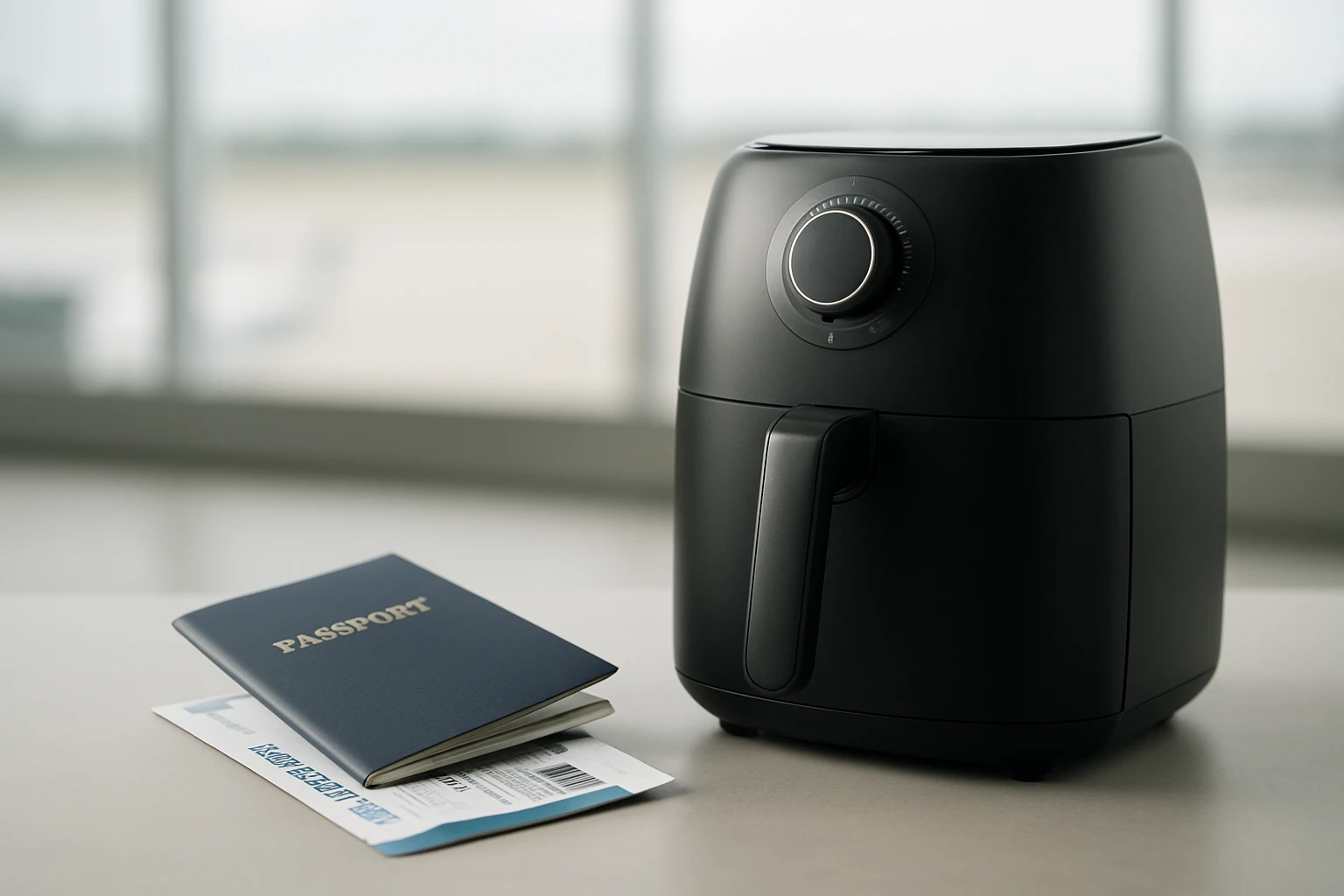
Can You Take an Air Fryer on a Plane? Complete TSA & Airline Guide for Carry-On and Checked Luggage
Introduction
Travelers often wonder whether a kitchen appliance such as an air fryer can accompany them on a flight. This guide explains the regulatory framework, airline-specific policies, and practical packing methods for both carry‑on and checked baggage. Readers will learn how to interpret TSA directives, compare airline restrictions, and select an air fryer that minimizes inconvenience while maximizing culinary flexibility. The article also provides actionable tips, a product comparison, and answers to common questions.
Background and Context
The Transportation Security Administration (TSA) classifies appliances based on size, battery type, and potential hazard. Air fryers are electric devices that contain heating elements, metal components, and occasionally lithium‑ion batteries in portable models. Because they lack flammable liquids, they are generally permitted, but size and power‑cord considerations affect whether they may be placed in the cabin. Airlines further refine these rules by imposing weight limits, size constraints, and safety‑related prohibitions. Understanding both layers of regulation ensures a smooth security screening and prevents unexpected baggage fees.
Regulatory Overview
According to TSA guidelines, any item that can be powered by an external electrical source is allowed in carry‑on luggage if it does not contain hazardous materials. The agency requires that the device be turned off, with cords neatly coiled, and that any removable batteries be isolated. For checked luggage, the primary concern is the risk of fire; therefore, devices with built‑in heating elements must be protected from accidental activation. Airlines such as Delta, United, and American Airlines typically allow air fryers in checked baggage provided the traveler declares the item at check‑in and ensures the appliance is clean and dry.
Airline Policies by Category
Most major U.S. carriers treat air fryers as standard electronic equipment. However, each airline defines a maximum dimension for carry‑on items, usually around 22 x 14 x 9 inches. The Ninja XL Air Fryer measures approximately 14 x 12 x 13 inches, which fits within most carry‑on limits but may be considered bulky for overhead bins. Low‑cost carriers often enforce stricter weight limits, making checked baggage a more viable option. International airlines may have different voltage requirements; travelers should verify that the appliance supports 110‑120 V for North America or 220‑240 V for Europe, or bring a suitable converter.
Product Recommendations for Travel
When selecting an air fryer for travel, two factors dominate: size and power consumption. The Ninja XL Air Fryer offers a 6.5‑quart capacity, 1750 W power, and six cooking functions, making it ideal for families who wish to prepare large meals after arrival. Its non‑stick basket and dishwasher‑safe components simplify cleaning during trips. Conversely, the COMFEE' Compact Air Fryer provides a 2.1‑quart capacity, 12 preset cooking options, and a compact footprint of 10 × 15 inches, which easily fits under most seatbacks and overhead compartments. Its lower power draw reduces the risk of overheating in luggage and makes it a practical choice for solo travelers or those with limited storage.
Comparison and Selection Guide
| Feature | Ninja XL Air Fryer | COMFEE' Compact Air Fryer |
|---|---|---|
| Capacity | 6.5 QT (up to 9 lb of wings) | 2.1 QT (suitable for 1‑2 servings) |
| Power | 1750 W | Not specified, but lower due to smaller size |
| Functions | 6‑in‑1 (Max Crisp, Air Fry, Roast, Bake, Reheat, Dehydrate) | 12 preset menu options covering freeze‑defrost, fry, bake, and more |
| Weight | Approximately 15 lb | Approximately 7 lb |
| Rating | 4.7/5 from 97,258 reviews | 4.6/5 from 1,044 reviews |
| Price | $119.99 | $36.53 |
The table illustrates that the Ninja model excels for group cooking and versatility, while the COMFEE' model excels for portability and budget consciousness. Travelers should match their itinerary, group size, and luggage allowance to the appropriate model.
Best Practices & Tips for Traveling with an Air Fryer
- Clean the appliance thoroughly before packing to prevent residual oil from causing odors or fire hazards.
- Remove any detachable cords or accessories and place them in a separate pouch to avoid damage.
- Wrap the unit in bubble wrap or a padded garment bag, then place it in a hard‑sided suitcase for checked baggage.
- If traveling carry‑on, position the air fryer upright in the overhead bin and ensure the power cord is coiled and secured.
- Declare the appliance at check‑in and request a “fragile” handling tag if the airline offers it.
- Carry a universal voltage converter and plug adapter when flying internationally to avoid incompatibility.
Frequently Asked Questions
- Can I bring an air fryer in my carry‑on bag? Yes, if the appliance fits within the airline’s size limits and the TSA permits it. The device must be turned off and free of liquids.
- Are lithium‑ion batteries allowed in air fryers? Most air fryers do not contain built‑in batteries; however, portable models with removable battery packs must have the battery removed and carried in the cabin, not checked.
- Do I need to inform the flight crew about the air fryer? It is advisable to inform the crew when the device is stored in the cabin, especially if the appliance will be powered during the flight (which is rarely permitted).
- What if the airline refuses my air fryer? If an airline deems the item unsafe for the cabin, the traveler may elect to check the appliance as luggage, ensuring it is properly packed and declared.
- Can I use the air fryer on the plane? No, the use of personal cooking appliances is prohibited on commercial aircraft due to fire‑safety regulations.
- How do I protect the appliance from damage? Use a sturdy suitcase, cushion with clothing or bubble wrap, and label the bag as “fragile.”
- Is there a weight limit for checked air fryers? Most airlines impose a standard checked‑baggage weight limit of 50 lb; exceedances may incur fees.
Conclusion
Traveling with an air fryer is feasible when the traveler respects TSA regulations, airline size limits, and proper packing techniques. Selecting a model that aligns with the journey’s logistical constraints—such as the spacious Ninja XL Air Fryer for family trips or the compact COMFEE' Compact Air Fryer for solo travel—optimizes both convenience and cost. By following the best‑practice checklist, travelers can enjoy healthy, freshly cooked meals at their destination without compromising safety or incurring unexpected fees.
Products Featured in This Guide
Ninja XL Air Fryer
Price: $119.99 | Rating: 4.7/5 from 97,258 reviews
Featured because its large 6.5‑quart capacity and six cooking functions provide versatile meal preparation for families traveling to a destination where kitchen space may be limited.
COMFEE' Compact Air Fryer
Price: $36.53 | Rating: 4.6/5 from 1,044 reviews
Featured because its compact dimensions, 12 preset cooking options, and affordable price make it an excellent choice for solo travelers or those with limited luggage space.