Introduction
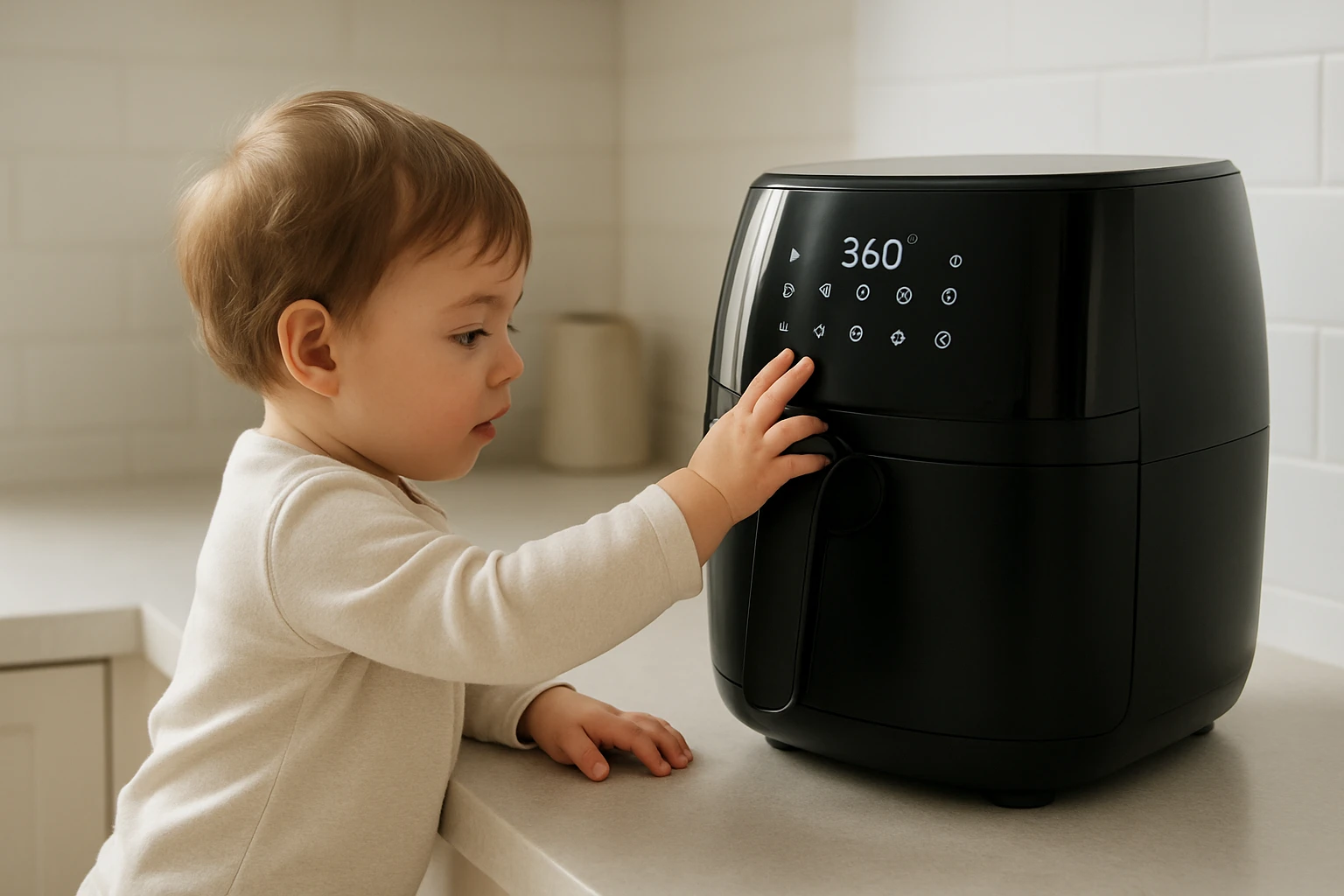
Air fryers have become a staple in many modern apartments because they offer quick, healthy cooking without the excess oil of traditional fryers. However, their hot surfaces, fast‑heating elements, and convenient placement at countertop height create potential hazards for curious toddlers. This guide explains how parents can safeguard air fryers while preserving the convenience of apartment living. Readers will learn about the underlying risks, effective child‑proofing strategies, and product recommendations that enhance safety without compromising kitchen functionality.
By the end of this guide, one will understand how to assess the layout of a compact kitchen, choose appropriate safety accessories, and implement daily habits that reduce the likelihood of burns or accidental activation. The information is grounded in real‑world experience and supported by reputable safety products available on Amazon.
Background/Context
Unlike conventional ovens, air fryers heat air to temperatures exceeding 400°F (204°C) within minutes. The rapid temperature rise means that the exterior of the appliance can become dangerously hot while the interior cooks food. In apartments, limited counter space often forces families to keep appliances within arm’s reach, inadvertently placing them at toddler eye level.
Developmentally, toddlers between 12 and 36 months explore their environment by touching, pulling, and tasting objects. Their motor skills are still emerging, and they lack the cognitive ability to understand delayed consequences such as “the surface is hot.” Consequently, any appliance that can be turned on with a simple button press or that emits heat poses a real risk.
Regulatory agencies such as the Consumer Product Safety Commission (CPSC) report that kitchen appliances account for a significant proportion of burn injuries in children under five. While many manufacturers incorporate safety features like cool‑touch exteriors and automatic shut‑off timers, these measures alone are insufficient in a small apartment where supervision may be intermittent.
Effective child‑proofing therefore combines engineering controls (e.g., safety locks), administrative controls (e.g., cooking schedules), and behavioral strategies (e.g., teaching safe kitchen habits). The following sections explore each of these components in detail.
Understanding Air Fryer Hazards
Air fryers present three primary hazards for toddlers: thermal injury from hot surfaces, electrical shock from exposed outlets, and accidental activation of the heating element. The first hazard is most common because the basket and exterior can retain heat for several minutes after cooking stops. The second hazard arises when power cords are plugged into low‑lying outlets that toddlers can reach. The third hazard involves curious children pressing the start button or adjusting temperature settings.
Thermal injury can result in second‑degree burns that require medical attention and may cause lasting scarring. Electrical shock, while less frequent, can lead to muscle contractions and secondary falls. Accidental activation may cause food to splatter, creating slip hazards in addition to burns.
Recognizing these risks is the first step toward implementing layered protection. Parents should conduct a quick safety audit of their kitchen before introducing a new appliance. This audit includes checking outlet height, confirming the presence of child‑proof covers, and ensuring that the air fryer is placed away from high‑traffic areas.
Once hazards are identified, targeted solutions can be applied, many of which are inexpensive and easy to install.
Child‑Proofing Strategies for Apartments
In a limited‑space environment, the goal is to create a safe zone around the air fryer without sacrificing functionality. The following strategies address each identified hazard.
- Elevate the Appliance: Use a sturdy, non‑slip kitchen cart or a dedicated appliance stand that raises the air fryer at least 12 inches above the countertop. This reduces the likelihood that a toddler can reach the control panel.
- Secure Electrical Outlets: Install plug protectors on any outlets within a toddler’s reach. The Safety 1st Childproofing Set includes 40 plug protectors that conceal the socket while allowing adult access.
- Lock the Controls: Many air fryers feature a removable control panel or a lockable button. If the model does not have a built‑in lock, a simple cord lock can prevent the power cord from being pulled.
- Use Cabinet & Drawer Latches: Store cooking utensils, oil, and cleaning supplies in locked cabinets. The same child‑proofing set provides 30 cabinet and drawer latches that keep hazardous items out of sight.
- Install Door Knob Covers: If the kitchen has a pantry or a cupboard that houses the air fryer when not in use, apply the Grip ’n Twist Door Knob Covers from the child‑proofing set. These covers allow adults to open the door while preventing toddlers from entering.
Each of these measures creates a physical barrier that reduces the chance of accidental contact. Importantly, the Safety 1st Childproofing Set offers a comprehensive solution that addresses both electrical and storage concerns, making it an ideal first purchase for families moving into an apartment.
Choosing the Right Safety Products
When selecting child‑proofing accessories, one should consider durability, ease of installation, and aesthetic compatibility with apartment décor. Below is a comparison of three popular product categories relevant to air fryer safety.
| Product Type | Key Features | Typical Price | Rating |
|---|---|---|---|
| Plug Protectors | Non‑grip design, opaque color, fits all standard outlets, easy to install | $22.94 (set of 80 items) | 4.6/5 (1,564 reviews) |
| Cabinet & Drawer Latches | Adjustable width, child‑resistant push‑button release, metal construction | Included in $22.94 set | 4.6/5 |
| Door Knob Covers | Grip ’n Twist mechanism, fits most knob diameters, click‑together halves | Included in $22.94 set | 4.6/5 |
The Safety 1st Childproofing Set stands out because it bundles all three essential components into a single package for $22.94, offering a cost‑effective solution for new parents. Its high rating reflects consistent performance across a wide range of households.
For families seeking a single‑purpose solution, dedicated magnetic stove knob covers or heat‑resistant silicone oven mitts may also be considered. However, these items do not address the broader range of hazards present in an apartment kitchen.
Best Practices & Tips
- Always unplug the air fryer and store the cord out of reach when not in use.
- Place a non‑slip mat beneath the appliance to prevent accidental sliding.
- Schedule cooking times when a caregiver can supervise the toddler.
- Teach toddlers simple safety rules, such as “hot things are not for touching,” using age‑appropriate language.
- Perform a weekly safety check to ensure that plug protectors and latches remain securely installed.
- Consider using a timer or smart plug that automatically shuts off power after a set duration.
Combining these habits with physical barriers creates a robust safety net. Even in the event of a momentary lapse in supervision, the barriers will mitigate the risk of injury.
Frequently Asked Questions
- 1. Can I leave the air fryer on unattended if I have child‑proof locks installed?
- No. While locks reduce accidental activation, they do not replace active supervision. Always remain in the kitchen while the appliance is heating.
- 2. Are plug protectors safe for adults to use?
- Yes. The plug protectors in the Safety 1st set are designed with a smooth, non‑grip surface that adults can easily press to access the outlet, while toddlers find it difficult to manipulate.
- 3. How high should I place the air fryer to keep it out of a toddler’s reach?
- A minimum height of 12 inches above the countertop surface is recommended, which can be achieved with a sturdy kitchen cart or appliance stand.
- 4. What should I do if my toddler attempts to open a locked cabinet?
- Reinforce the behavior by calmly explaining that the cabinet is “off‑limits,” and redirect the child to a safe activity. Consistency is key.
- 5. Do the cabinet latches work on both wooden and metal cabinets?
- Yes. The latches are adjustable and can accommodate a range of cabinet thicknesses, making them suitable for most apartment kitchen installations.
- 6. Is it necessary to use all components of the child‑proofing set?
- While each component addresses a specific hazard, using the full set provides comprehensive protection. Families can prioritize based on immediate needs and expand later.
Conclusion
Air fryers offer convenience and healthier cooking options for apartment dwellers, yet they introduce unique safety challenges for households with toddlers. By understanding the thermal and electrical hazards, implementing layered child‑proofing strategies, and selecting reliable safety products such as the Safety 1st Childproofing Set, parents can create a secure kitchen environment.
Consistent supervision, clear household rules, and routine safety checks reinforce the physical barriers and ensure that toddlers remain safe while the family enjoys the benefits of modern cooking technology. The practices outlined in this guide empower one to protect young children without sacrificing the convenience of an air fryer.
Products Featured in This Guide
Safety 1st Childproofing Set
Price: $22.94
Rating: 4.6 out of 5 stars (1,564 reviews)
Why it is featured: This comprehensive 80‑piece kit provides plug protectors, door knob covers, cabinet & drawer latches, and slide locks, addressing the primary safety concerns associated with air fryers in apartment kitchens.