2026 Mini Air Fryer Resale Value Guide: What Your Unit Is Worth, Pricing Trends & How to Maximize Sale Price
Introduction
The secondhand market for kitchen appliances has expanded dramatically as consumers seek affordable, sustainable cooking solutions. This guide explains how to assess the resale value of a mini air fryer, interpret pricing trends, and implement strategies that increase the final sale price. Readers will learn to evaluate condition, understand seasonal demand, and leverage product features to attract buyers. By the end of this article, one will possess a clear roadmap for turning a used air fryer into a profitable transaction.
Background and Context
Mini air fryers combine rapid hot‑air circulation with compact dimensions, making them popular among students, small‑space dwellers, and health‑conscious cooks. In 2026 the market is driven by three forces: heightened awareness of oil‑reduced cooking, the growth of online resale platforms, and the continued release of multi‑function appliances that retain high resale appeal. Understanding these forces provides the foundation for accurate valuation.
Key terminology includes depreciation rate, which measures the percentage loss of value over time, and liquidity, the ease with which an item can be sold at a fair price. A lower depreciation rate and higher liquidity typically translate into a stronger resale price.
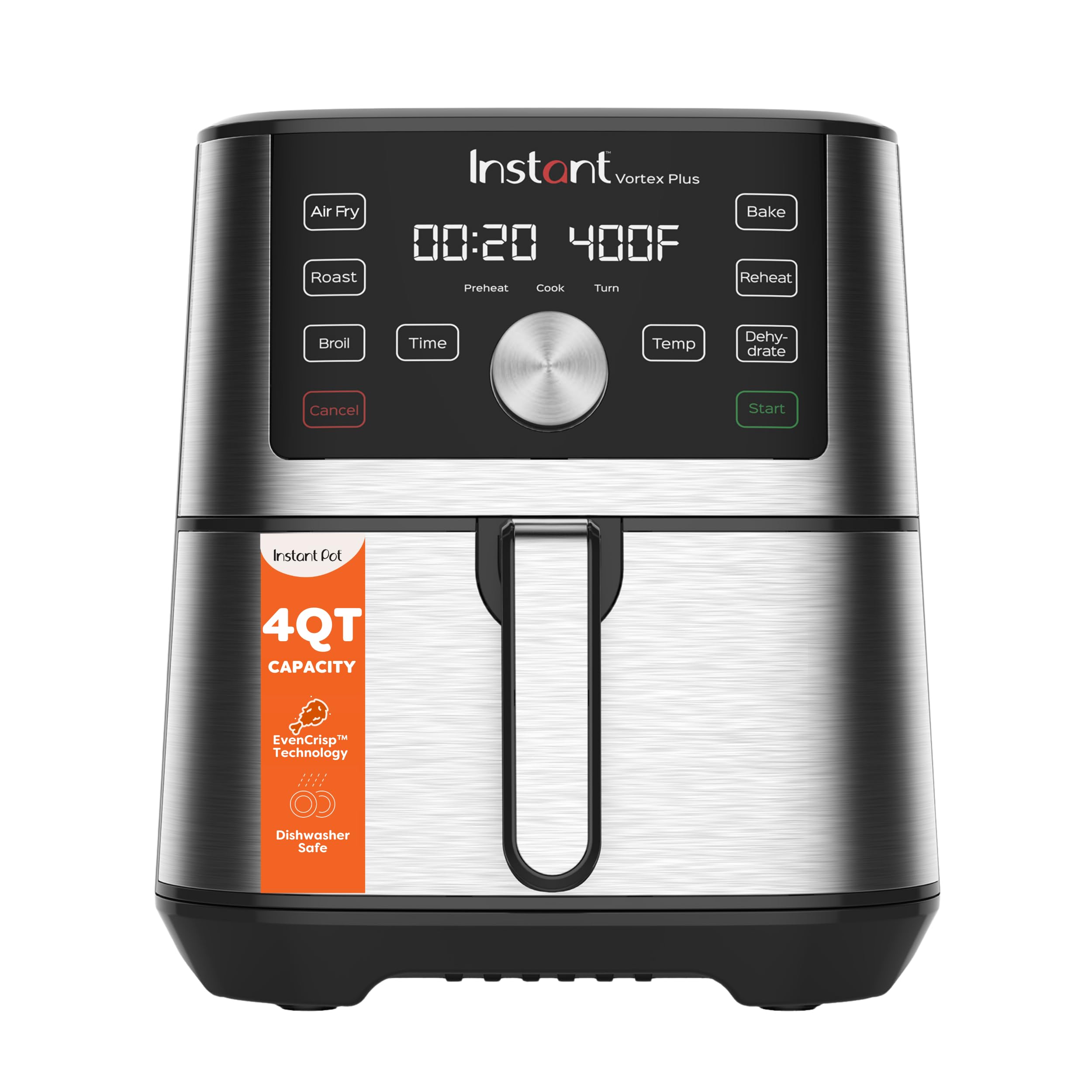
Data from major marketplaces indicate that mini air fryers retain between 55 % and 70 % of their original price after two years of use, depending on brand reputation and feature set. The Instant Pot Vortex Plus 4QT Air Fryer exemplifies a model that consistently outperforms the average due to its versatile cooking functions and strong consumer ratings.
Current Market Trends
In early 2026 the average listing price for a used 4‑quart air fryer ranges from $30 to $45, while completed sales often settle 10 % to 15 % below the asking price. Seasonal spikes occur in January and September, aligning with New Year health resolutions and back‑to‑school budgeting cycles. Sellers who list during these periods can expect a higher conversion rate.
Platform‑specific dynamics also matter. Marketplace A emphasizes high‑volume, low‑margin sales, whereas Marketplace B rewards detailed listings with higher price points. Understanding the algorithmic preferences of each platform enables sellers to optimise title keywords, image quality, and description length.
Another emerging trend is the bundling of accessories such as silicone liners, recipe books, or spare baskets. Bundles increase perceived value and often justify a premium of $5‑$10 over the base unit price.
Pricing Strategies for Maximizing Sale Price
Effective pricing begins with a thorough condition assessment. Grade the unit as Excellent (like new, no visible wear), Good (minor scratches, fully functional), or Poor (significant wear, missing parts). Assign a depreciation factor of 0.30, 0.45, or 0.60 respectively to the original retail price.
For the Instant Pot Vortex Plus 4QT Air Fryer, the original price is $59.98. An Excellent unit would be priced at $59.98 × (1‑0.30) ≈ $42.00. A Good unit would be $59.98 × (1‑0.45) ≈ $33.00, and a Poor unit would be $59.98 × (1‑0.60) ≈ $24.00.
Next, incorporate market demand multipliers. During peak months add 5 % to the calculated price; during off‑peak months subtract 5 %. Finally, round the final figure to a psychologically appealing number such as $39.99 or $34.95.
Providing high‑resolution images from multiple angles, a concise bullet‑point feature list, and a short video demonstration can increase buyer confidence, often resulting in a price uplift of up to $5.
Product Recommendation
The Instant Pot Vortex Plus 4QT Air Fryer stands out as a premium choice for resale due to its six cooking functions, adjustable temperature range of 95‑400°F, and EvenCrisp technology that reduces oil usage by 95 %. Its stainless‑steel construction and intuitive touchscreen contribute to a 4.5‑star rating from 72,169 reviews, indicating strong consumer satisfaction.
Key specifications include:
- Capacity: 4 quarts (suitable for up to four servings)
- Functions: Air fry, bake, roast, broil, dehydrate, reheat
- Temperature range: 95‑400°F (35‑205°C)
- App integration: Access to 100+ recipes via mobile application
- Dimensions: Compact footprint that saves counter space
These attributes make the unit attractive to a wide audience, thereby enhancing its resale potential. When listing, highlight the multi‑function capability and the health benefits of EvenCrisp technology.
Comparison and Selection Guide
Buyers often compare mini air fryers based on capacity, power wattage, and additional cooking modes. The table below compares three popular models available in the secondary market.
| Model | Capacity | Power (W) | Functions | Average Resale Price (2026) |
|---|---|---|---|---|
| Instant Pot Vortex Plus 4QT | 4 qt | 1500 | Air fry, bake, roast, broil, dehydrate, reheat | $38‑$45 |
| Model X Mini Fryer | 3 qt | 1200 | Air fry, bake, reheat | $25‑$30 |
| Model Y Compact Air Fryer | 2.5 qt | 1000 | Air fry, roast | $20‑$24 |
When selecting a unit for resale, prioritize models with higher function counts and stronger brand reputation, as these tend to command superior prices. The Instant Pot Vortex Plus leads in both categories, justifying its higher resale range.
Best Practices & Tips
- Clean the appliance thoroughly and remove all food residues; a spotless unit photographs better and reduces buyer hesitation.
- Include the original accessories, manual, and any recipe book; completeness adds perceived value.
- Write a detailed description that mentions the EvenCrisp technology, temperature range, and app‑based recipe library; these features differentiate the unit from generic competitors.
- Use a neutral background for photos, and capture the touchscreen interface to demonstrate user‑friendliness.
- Offer a short trial period or money‑back guarantee when feasible; this reduces risk for the buyer and can justify a higher asking price.
- Monitor competitor listings daily and adjust price within the recommended range to stay competitive.
Frequently Asked Questions
- How long does a mini air fryer typically retain value?
- Most models retain between 55 % and 70 % of the original price after two years, provided they are in good condition and include all accessories.
- Is it worth repairing a unit with a broken basket?
- Repair costs should not exceed 15 % of the projected resale price; otherwise, it is more economical to list the unit as is with a disclosed defect.
- Can I sell a mini air fryer on multiple platforms simultaneously?
- Yes, but ensure that inventory is synchronized to avoid double sales; using a spreadsheet or inventory management tool can help.
- What is the best time of year to list a mini air fryer?
- January and September are peak months due to health‑focused resolutions and back‑to‑school budgeting, respectively.
- Should I include the original packaging?
- Original packaging enhances presentation and can increase the final price by approximately $3‑$5.
- How many photos are recommended?
- A minimum of five high‑quality images is advisable: front view, side view, interior basket, touchscreen display, and accessories.
- Do warranty transfers affect resale value?
- If the original manufacturer warranty is still active and transferable, it can add $5‑$10 to the resale price.
Conclusion
Reselling a mini air fryer in 2026 can be a profitable endeavour when the seller applies systematic valuation, strategic timing, and compelling presentation. The Instant Pot Vortex Plus 4QT Air Fryer exemplifies a high‑demand model whose multifunctionality and strong brand reputation support a premium resale price. By following the pricing formulas, market‑trend awareness, and best‑practice checklist outlined in this guide, one can maximise sale price while providing buyers with a reliable, health‑focused cooking appliance.
Products Featured in This Guide
Instant Pot Vortex Plus 4QT Air Fryer
Price: $59.98
Rating: 4.5 out of 5 stars (72,169 reviews)
Featured because it offers six cooking functions, adjustable temperature, EvenCrisp technology, and a strong user rating, making it a top‑performing unit in the secondary market.